
Nearly 50 in jail, just one out on bail: The price of joining the Bishnoi gang

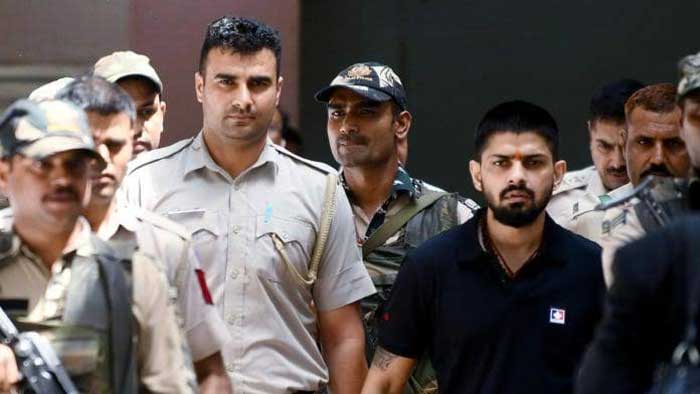
Black hoods covered their heads as nine men sat in the accused box at the back of the courtroom. Dressed in jeans or track pants, knockoff ‘Superdry’ and ‘Puma’ T-shirts, and sliders or flip-flops, they looked out of place in the courtroom. On a bench ahead sat two women, also hooded in black and flanked by female police personnel.
A policeman approached and began removing their hoods. One by one, their faces emerged — those of 11 young men and women, looking frail and bewildered.
As a court official read out their names, they rose one after another, heads bowed. They remained standing like this for the rest of the 30-minute hearing in a Mumbai special court on October 29. They could easily have been a group of college students being reprimanded for bunking classes.
The 11, accused in the Tiger Shroff shooting case, were allegedly members of the Lawrence Bishnoi gang, according to the prosecution. They fit a wider pattern emerging from a series of attacks in Mumbai linked to the Bishnoi brothers, Lawrence and Anmol: the April 2024 firing outside actor Salman Khan’s Bandra residence; the killing of NCP leader Baba Siddique later that year; the February 2026 firing outside filmmaker Rohit Shetty’s home; and now the attack on actor Tiger Shroff.
Across these cases, the accused share a strikingly similar profile. Almost all are between 18 and 23, come from economically disadvantaged families, and have worked in gig jobs or low-skilled occupations — as welders, showroom assistants, salesmen or hotel workers. Police say several belong to Scheduled Castes or backward communities. Most dropped out of school after Class 9 or 10, while a few have ITI or diploma qualifications.
They are, in effect, a ragtag army of mostly young men, allegedly recruited through local networks or lured by social media accounts to carry out quick jobs for the gang.
A Haryana Police officer who questioned some of the accused in the Tiger Shroff case recalls: “When they were called in, some of them came wearing torn clothes. They are almost all from poor families. Most had lost their fathers at a young age and had no male figure to look up to.”
Scouting for shooters
Gurmail Singh, 25, had a troubled life after dropping out of school in Class 10. In 2019, when he was 18, he was charged with murder and lodged in Haryana’s Kaithal jail, where he spent four years. Police suspect that it was during this period that he came into contact with members of Rohit Godara’s gang. Godara was then a trusted lieutenant of Lawrence Bishnoi.
After securing bail in the murder case, Gurmail moved to Mumbai in September 2024. A month later, he was arrested in connection with the killing of Baba Siddique.
His trajectory illustrates a recruitment pattern that police say the gang has repeatedly exploited: identifying potential recruits inside prisons and offering to arrange their release on bail.
“When Gurmail Singh was bailed out, he was both impressed by the gang and beholden to them,” says a Mumbai Police officer.
Once released, recruits are allegedly expected to repay the favour by finding other young men for assignments and helping organise logistics. They often turn to their own villages, targeting youngsters from poor families who are eager to improve their circumstances.
The promised rewards rarely materialise. Instead, many end up behind bars. Of the nearly 50 people lodged in various Mumbai jails in connection with high-profile attacks over the past two years that police have traced to the Lawrence Bishnoi gang, only one has secured bail. The others have been denied relief, with courts citing the seriousness of the offences.
In each of these cases, police have invoked the stringent Maharashtra Control of Organised Crime Act (MCOCA), a law under which securing bail is particularly difficult.
The prospect of spending years in prison, however, is rarely part of the pitch, police say. Recruits are allegedly promised money, notoriety and, in many cases, the prospect of a new life in Canada or the US. For young men with few opportunities and little to lose, these promises can prove difficult to resist.
Comments are closed, but trackbacks and pingbacks are open.