
‘India Was My Home, My Children’s Home’: Sonia Gandhi on Why She Never Left After Rajiv’s Assassination

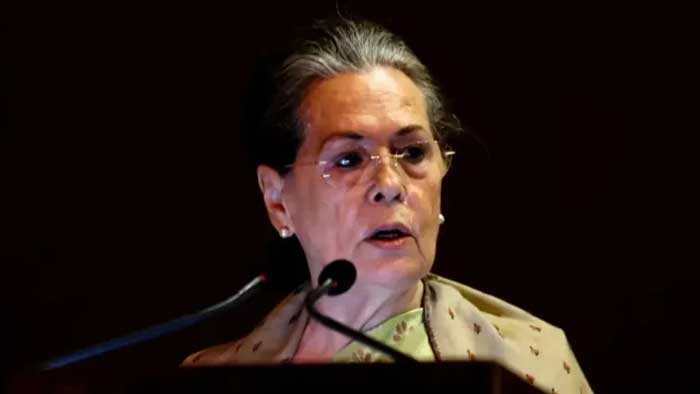
The assassination of former Prime Minister Rajiv Gandhi in 1991 was one of the darkest moments in India’s political history. Beyond the national tragedy, it was a deeply personal loss for his wife, Sonia Gandhi, who suddenly found herself facing life without her husband and raising their two children, Rahul and Priyanka, amid immense grief and uncertainty.
Years after the tragic incident, Sonia Gandhi’s reflections on why she chose to remain in India offer a moving insight into her emotional connection with the country. Her decision was not simply about politics, public responsibility or the Gandhi family’s legacy. It was also about belonging, family and the home she had built over several decades.
A Life Changed by Rajiv Gandhi’s Assassination
Rajiv Gandhi was assassinated on May 21, 1991, during an election campaign in Sriperumbudur, Tamil Nadu. His death shocked the nation and left his family devastated.
For Sonia Gandhi, the tragedy marked a turning point. Having married Rajiv Gandhi in 1968, she had spent much of her adult life in India. The country had become the centre of her personal and family life.
After his assassination, Sonia faced the difficult responsibility of protecting and raising her children while dealing with the sudden loss of her husband. At a time when public attention was intensely focused on the Gandhi family, she largely chose to remain away from active politics.
Why Sonia Gandhi Chose to Stay in India
The words, “India was my home, my children’s home,” capture the emotional significance of Sonia Gandhi’s decision to remain in the country.
Although she was born in Italy, India had become her home through marriage, family and years of shared experiences. Her children, Rahul and Priyanka, had grown up in India, and their roots were firmly connected to the country.
Leaving India after Rajiv Gandhi’s assassination would have meant leaving behind the place where her family had built its life and memories.
For Sonia, India was no longer simply the country she had moved to after marriage. It was the place she identified with as home.
Choosing Family Over Political Ambitions
Following Rajiv Gandhi’s death, Sonia Gandhi did not immediately enter politics. Despite repeated requests from Congress leaders to take up an active leadership role, she initially maintained a distance from political affairs.
Her priority was her children and her family. Rahul and Priyanka were still young, and she wanted to provide them with stability during an extremely difficult period.
However, circumstances eventually brought her back into public life. In 1998, Sonia Gandhi formally entered active politics and took over as president of the Indian National Congress.
Her leadership became an important chapter in the party’s history. Under her presidency, the Congress-led United Progressive Alliance (UPA) came to power in 2004 and again in 2009.
A Personal Connection That Became a Political Journey
Sonia Gandhi’s journey from being the wife of a former Prime Minister to becoming one of India’s most influential political leaders was shaped by personal tragedy, public expectations and years of political challenges.
Despite facing criticism over her foreign birth and political background, she continued to play a central role in Indian politics.
Her decision to remain in India also became an important part of her public identity. It reflected her connection to the country where she had raised her children, experienced personal happiness and endured one of the greatest tragedies of her life.
Conclusion
Sonia Gandhi’s reflection, “India was my home, my children’s home,” highlights a deeply personal reason behind her decision not to leave the country after Rajiv Gandhi’s assassination.
Her story goes beyond political leadership. It is about a woman who faced an unimaginable personal loss but chose to remain in the place she considered home.
For Sonia Gandhi, India was not merely the country she had married into. It was where her family belonged, where her children had grown up and where her memories with Rajiv Gandhi remained.
Her decision to stay ultimately became part of a larger journey that connected her personal life with India’s political history.
Comments are closed, but trackbacks and pingbacks are open.