
Karnataka Finds Ethanol Levels as High as 31.2% in Petrol Samples, Exceeding E20 Norm

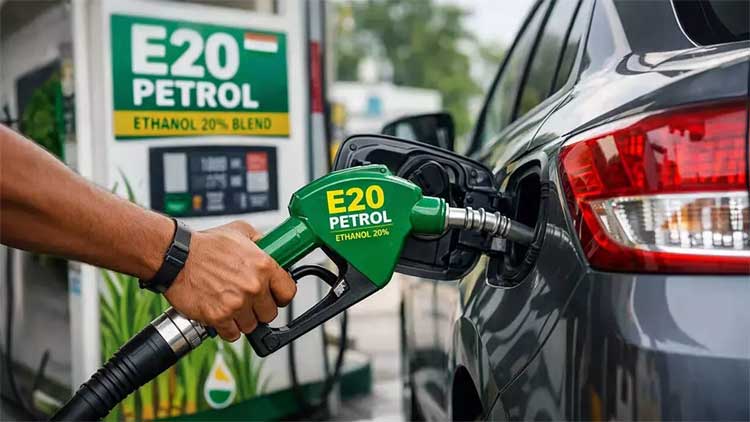
Petrol samples collected from seven districts of Karnataka have recorded ethanol concentrations as high as 31.2%, significantly exceeding the 20% blending limit prescribed under India’s E20 fuel standard, according to the state government.
Of the 14 samples tested, 11 contained more than 20% ethanol, raising concerns over fuel quality, regulatory compliance and potential damage to vehicles designed to operate with lower ethanol blends.
According to a state government statement, the highest concentration of 31.2% was found in a sample collected from an Indian Oil Corporation Limited (IOCL) petrol outlet. A sample of Hindustan Petroleum Corporation Limited’s (HPCL) Power petrol recorded 30.5%, while another HPCL sample contained 27%. A Bharat Petroleum Corporation Limited (BPCL) Speed sample recorded 26.5%.
The samples were collected from fuel stations in Bengaluru, Kolar, Chikkaballapura, Bengaluru Rural, Ramanagara, Mangaluru and Tumakuru. The companies covered included IOCL, HPCL, BPCL, Nayara Energy, Shell and Mangalore Refinery and Petrochemicals Limited.
Testing was conducted at the Shriram Research Institute in Bengaluru using gas chromatography to determine ethanol concentrations.
The findings indicated considerable variations in ethanol content, not only between different oil marketing companies but also among samples collected from outlets operated by the same company.
Oil companies dispute Karnataka’s findings
The three state-owned oil marketing companies—IOCL, BPCL and HPCL—rejected the reported findings in a joint statement issued on Friday.
They maintained that the allegations were not supported by tests conducted in accordance with prescribed statutory and technical procedures.
The companies said the E20 petrol supplied across India, including Karnataka, complies with IS 17021, the Bureau of Indian Standards specification for ethanol-blended petrol.
According to their statement, all 893 E20 samples tested at their depots and retail outlets across 27 states and Union territories were within the prescribed ethanol range of 19-21%.
These included 56 samples from Karnataka, which recorded ethanol concentrations between 19% and 20%, with an average of 19.30%.
However, the state government’s independent findings presented a different picture. Two IOCL samples reportedly recorded 31.2% and 20.8% ethanol, while BPCL samples ranged from 19.9% to 26.5%.
Shell samples showed even wider variations, with one recording 13.5% and another 25.5%.
Overall, 11 of the 14 samples exceeded the 20% threshold, while the remaining three were below it. One of the latter recorded 19.9%.
Questions over transparency in testing
The Karnataka government said it initially forwarded the collected samples to the in-house laboratories of IOCL and BPCL.
However, it alleged that the test reports issued by these laboratories did not disclose the ethanol content, despite this being one of the prescribed testing parameters.
Consequently, the state commissioned independent testing at the Shriram Research Institute.
The laboratory certificates attached to the government’s statement documented the ethanol concentrations, including 31.2% in an IOCL sample and 30.5% in an HPCL Power sample.
The government said the omission of ethanol-related findings from the oil companies’ reports raised questions about transparency in fuel marketing.
It also clarified that the independent laboratory results establish the ethanol content of the particular samples tested but do not, by themselves, demonstrate how widespread such concentrations are across Karnataka’s fuel supply network.
Concerns over vehicle damage and additional costs
The state government has raised concerns about the potential consequences of higher ethanol concentrations for vehicles designed to operate with lower blends.
It estimated that 99% of vehicles in India were not designed to handle ethanol concentrations exceeding E20. Even vehicles sold after April 2023, it said, are certified for ethanol blends of up to 20%.
The government also highlighted the potential financial burden on motorists, estimating annual losses of ₹62,000 crore due to reduced fuel efficiency.
This calculation assumes a 10% decline in mileage, annual petrol consumption of 6,200 crore litres and an average petrol price of ₹100 per litre.
Separately, it estimated annual vehicle component repair expenses at ₹39,000 crore.
Combining the two estimates, the government said consumers could be facing an additional financial burden of nearly ₹1.01 lakh crore annually.
It also questioned whether petrol dispensing infrastructure across the country was adequately equipped to handle higher ethanol blends.
According to the state government, most dispensing units at petrol stations were designed to handle fuel containing up to 15% ethanol, raising concerns about whether the necessary infrastructure upgrades had been undertaken.
Karnataka seeks Centre’s intervention
The state government has asked the Union government to explain the ethanol concentrations detected in the samples and clarify the actual blending levels of petrol being supplied to consumers.
It has also sought action against oil marketing companies found selling petrol containing more than 20% ethanol.
Among its key demands, Karnataka has called for petrol stations across the country to prominently display the ethanol content of the fuel being sold and provide consumers with the option to choose between different available blends.
The government said it would continue collecting and testing fuel samples and make the findings public.
It also referred to the Motor Spirit and High Speed Diesel (Regulation of Supply and Distribution and Prevention of Malpractices) Order, 2005, which provides for action against irregularities and malpractice in fuel supply and distribution.
The findings have brought renewed attention to the implementation and monitoring of India’s ethanol-blending programme, particularly the need to ensure that fuel quality standards are consistently maintained and that consumers receive accurate information about the petrol they purchase.
Comments are closed, but trackbacks and pingbacks are open.