
Heat dome scorches western US as temperatures near records, wildfire threat intensifies

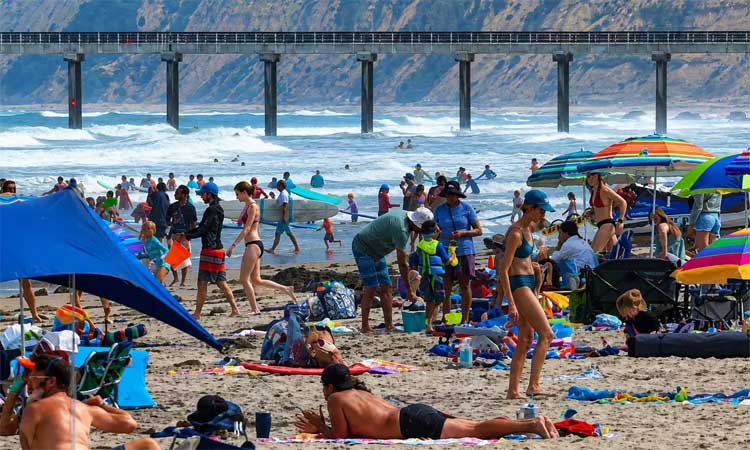
A powerful heat wave tightened its grip across the western United States on Saturday, pushing temperatures close to record levels, increasing wildfire risks, and prompting officials to urge residents to remain indoors and stay hydrated.
A high-pressure system, commonly known as a heat dome, stretched from Arizona to Montana, trapping hot air near the ground. While forecasters said the extreme conditions are expected to be relatively short-lived, the National Weather Service warned that several cities could see record-breaking temperatures over the weekend.
Las Vegas recorded 115°F (46°C) by late afternoon—its hottest temperature of the year and just one degree shy of the daily record. Phoenix was forecast to reach 116°F (47°C), while California’s El Centro was expected to hit a record 118°F (48°C). Even Montana, typically cooler, faced unusual heat, with Great Falls forecast to reach a record 104°F (40°C).
Meteorologists warned that the danger was heightened by unusually warm nights, with temperatures remaining in the upper 80s and low 90s in parts of the Southwest, offering little relief for people recovering from the daytime heat.
Cooling centres across Arizona reported heavy demand as residents sought refuge. In Phoenix, the Justa Center welcomed hundreds of people daily, providing air-conditioned shelter, water, meals and a safe place to escape the extreme temperatures.
In Montana, homeless shelters extended their operating hours while public swimming pools and splash pads were packed with families trying to beat the heat. Weather officials noted that although the current heat wave is severe, it is less extreme than the record-breaking spell that hit parts of the state in mid-July.
The scorching temperatures are also worsening wildfire conditions across the West. Dry vegetation, low humidity and forecast strong winds have prompted red flag warnings in several states, including Montana and Nevada.
Southern California remains under an elevated wildfire threat through Sunday, while the Pacific Northwest is battling multiple large blazes. Washington Governor Bob Ferguson declared a state of emergency after extreme heat and strong winds fueled rapidly spreading wildfires and imposed a ban on most outdoor and agricultural burning through the end of September.
Eastern Oregon also remains under a red flag warning as firefighters continue battling several major wildfires, including the massive Rowe Creek Complex fire.
Scientists say climate change, driven by greenhouse gas emissions, is increasing the frequency, intensity and duration of heat waves while creating conditions that make destructive wildfires more likely. This year’s extreme weather is also being amplified by a strong El Niño event, which experts expect to rank among the most intense since records began in 1950.
Comments are closed, but trackbacks and pingbacks are open.