
COP31: Fossil Fuel Phase-Out Dispute Rekindles Divisions Among Nations

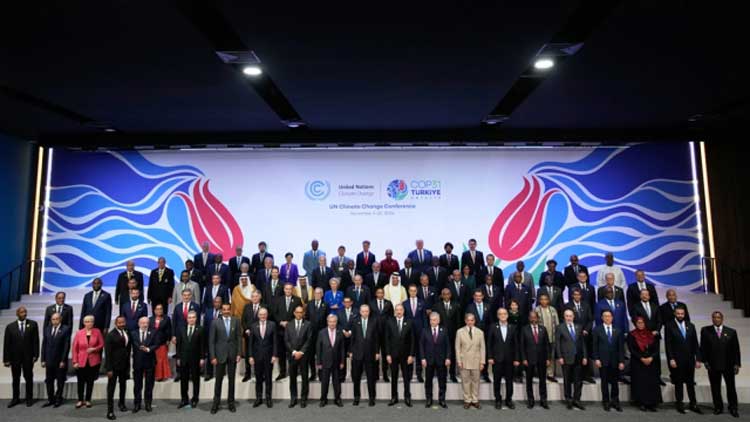
A revised draft agreement at the COP31 climate conference in Turkey on Thursday removed all references to the need to move away from fossil fuels, triggering anger and frustration among several participants and highlighting deep divisions between countries over one of the most contentious issues in global climate negotiations.
The first draft, released on Monday, had called for “accelerated action to phase out fossil fuels” and an “immediate transition away from fossil fuels in energy system”. However, the latest version presented on Thursday dropped both proposals, along with every other reference to fossil fuels.
The move revived memories of last year’s climate conference in Brazil, where the issue was also excluded from the final agreement despite more than 80 countries pushing for its inclusion.
The omission threatens to deepen disagreements between countries seeking a clear commitment to reduce dependence on coal, oil and gas and those reluctant to accept language that could affect their energy security and economic interests.
Deep divisions over fossil fuel transition
The phase-out of fossil fuels remains one of the most divisive issues in international climate negotiations. While many countries and climate campaigners argue that a transition away from fossil fuels is essential to limiting global warming, several major fossil fuel-producing nations have resisted explicit commitments.
Developing countries have also stressed that any transition must account for differences in national circumstances, economic development needs and access to affordable energy.
For many emerging economies, fossil fuels continue to play a significant role in electricity generation, industrial production and transportation. They argue that developed countries, which have historically contributed the largest share of greenhouse gas emissions, should provide greater financial and technological support to help poorer nations shift towards cleaner energy sources.
Pressure to retain climate commitments
The removal of fossil fuel references from the latest draft is likely to intensify pressure on negotiators to restore stronger language before a final agreement is reached.
Countries supporting an explicit transition commitment have argued that the outcome of climate negotiations must reflect the urgency of reducing emissions and limiting the impacts of global warming.
The debate also highlights the challenge of translating previous international commitments into concrete national policies, particularly as governments balance climate targets against energy affordability, economic growth and domestic political pressures.
The final wording of the agreement will be closely watched by governments, environmental organisations and investors for indications of whether countries can reach a common position on the future of fossil fuels.
With negotiations continuing, the central question remains whether delegates can agree on a meaningful commitment to reduce fossil fuel dependence or whether disagreements will once again prevent the issue from featuring in the conference’s final outcome.
Comments are closed, but trackbacks and pingbacks are open.