
UN Needs To Focus On Stopping And Preventing Wars To Fight Climate Change

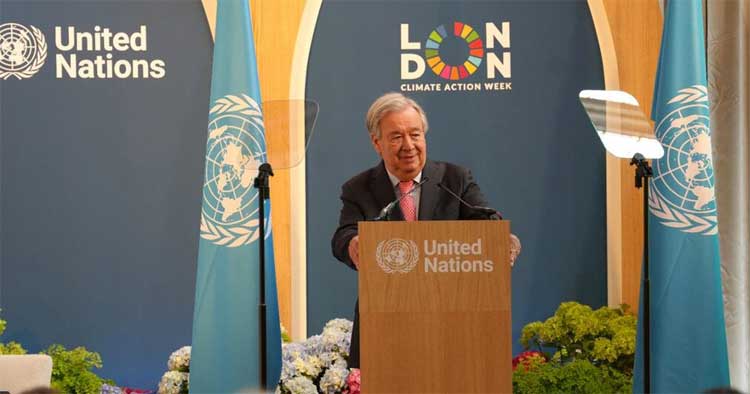
The United Nations should place greater emphasis on preventing and ending wars as part of the global effort to address climate change, environmentalist and writer Bharati Chaturvedi has argued.
Writing in Hindustan Times, Chaturvedi said armed conflicts contribute to greenhouse-gas emissions through military operations, fires, weapons production and transportation. Wars can also destroy infrastructure containing large amounts of embedded carbon and damage forests, wetlands and other natural carbon sinks.
How Wars Contribute To Climate Change
According to Chaturvedi, wartime emissions come from several sources, including military vehicles, fires, the transportation of weapons and the production and deployment of military equipment.
The destruction caused by conflicts can also have longer-term environmental consequences. Damage to infrastructure releases embedded carbon, while the destruction of forests, wetlands and other ecosystems can weaken natural systems that absorb carbon from the atmosphere.
Russia-Ukraine War’s Carbon Footprint
The Russia-Ukraine war illustrates the scale of the climate impact associated with prolonged conflict.
Chaturvedi cited estimates from the Ukraine-supported Initiative on GHG Accounting of War, which put emissions linked to the war at more than 230 million tonnes of carbon-dioxide equivalent in an estimate made about a year and a half earlier.
She argued that the environmental consequences of war extend beyond the immediate battlefield, with military activity and damage to ecosystems contributing to broader planetary impacts.
Gaza, West Asia And Sudan Conflicts
Chaturvedi also referred to the ongoing devastation in Gaza, hostilities in West Asia involving the Houthis and the civil war in Sudan.
She argued that weapons, military vehicles and damage to natural environments in these conflicts contribute to environmental destruction, with consequences that can extend beyond the countries where fighting takes place.
UN’s Original Mandate
The United Nations was formally established in 1945, with maintaining international peace and security among its central purposes.
Chaturvedi argued that greater focus on resolving wars and preventing new conflicts could also contribute to global climate efforts. She said climate negotiations and mechanisms such as the United Nations Framework Convention on Climate Change (UNFCCC) alone are not sufficient to address the environmental consequences of warfare.
Her argument is that preventing and ending armed conflicts could simultaneously reduce emissions associated with military activity and protect ecosystems and infrastructure from wartime destruction.
Climate Action And Conflict Prevention
The article links two global challenges that are often addressed separately: armed conflict and climate change.
As countries continue to face pressure to reduce greenhouse-gas emissions and protect natural carbon sinks, the environmental costs of warfare have become an additional consideration. Chaturvedi argues that conflict prevention should therefore form a more prominent part of the international climate conversation.
The United Nations General Assembly’s 2026 session has concluded, but the debate over how international institutions can address both war and climate change remains ongoing.
Comments are closed.