
Ladakh Launches India’s First High-Altitude Snow Leopard Safari To Boost Wildlife Tourism

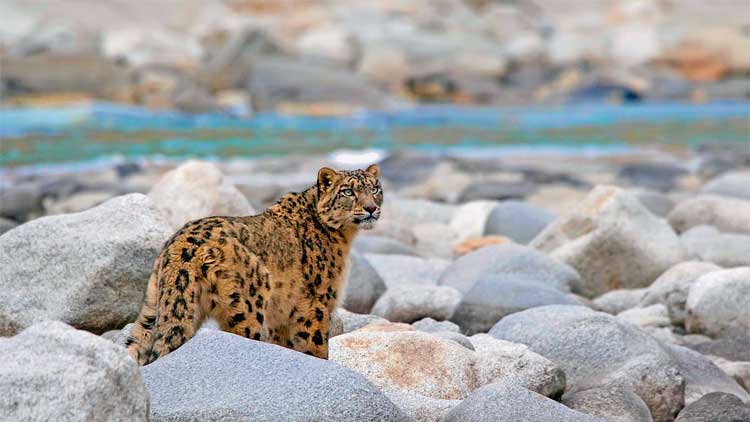
Ladakh has launched India’s first high-altitude wildlife safari focused on snow leopards, offering tourists a new way to explore the region’s rare wildlife and rugged Himalayan landscapes.
Lieutenant Governor Vinai Kumar Saxena flagged off six specially designed safari vehicles on October 7, marking a major step towards promoting responsible wildlife tourism, conservation and employment opportunities for local communities.
The initiative is being implemented by the Snow Leopard and High-Altitude Nature Conservation (SHAN) Society in collaboration with the Department of Forest, Ecology and Environment of the Union Territory of Ladakh. The administration announced the plan in August 2026, with the first vehicles now beginning operations.
Ladakh Snow Leopard Safari: What Tourists Need To Know
The safari will initially operate in Rumbak, Shang and Uley, areas known for frequent snow leopard sightings. Visitors will be taken along designated routes in specially designed open-back vehicles, accompanied by trained local drivers and wildlife guides.
The programme aims to provide visitors with opportunities to observe snow leopards in their natural habitat while minimising the impact of tourism on the fragile high-altitude ecosystem.
The administration has also identified potential routes across Hemis National Park, Changthang Wildlife Sanctuary and Karakoram Wildlife Sanctuary, as well as areas including Nubra, Zanskar, Sham, Kargil and Drass. The expansion of routes will depend on the initiative’s implementation and designated safari arrangements.
Why Is Ladakh Important For Snow Leopard Tourism?
Ladakh is one of India’s most important habitats for snow leopards, often called the ‘ghosts of the mountains’ because of their elusive nature and ability to blend into rocky terrain.
According to figures cited by the Ladakh administration, the Union Territory is home to an estimated 477 snow leopards, out of a national population of approximately 718.
The region’s high-altitude mountains, cold desert landscapes and remote valleys provide habitat for a variety of wildlife. In addition to snow leopards, Ladakh supports Himalayan mammals, rare birds and other species adapted to extreme weather conditions.
Hemis National Park is among the best-known destinations for snow leopard enthusiasts. The new safari initiative is expected to add another organised option for travellers interested in wildlife photography, nature exploration and conservation-focused tourism.
How Will The Safari Benefit Local Communities?
One of the main objectives of the project is to ensure that tourism generates economic opportunities for local residents while supporting wildlife protection.
The use of trained local drivers, guides and nature interpreters is expected to create employment opportunities for young people. Local communities could also benefit from homestays, handicrafts, food services and other tourism-related activities.
The SHAN initiative also includes plans to train 20 local young people in bird identification, birdwatching and wildlife spotting. Participants will receive equipment such as binoculars, while birdwatching hides are planned at important locations.
The administration aims to establish a model in which local communities become active partners in protecting wildlife and benefit economically from conservation efforts.
Responsible Tourism And Wildlife Protection
The introduction of regulated safaris is also intended to address concerns about illegal off-roading and tourist activities that disturb wildlife.
Under the proposed approach, designated routes, trained personnel and regulated visitor numbers will help reduce pressure on sensitive habitats. The initiative is designed to encourage tourists to observe wildlife responsibly rather than approach animals or disturb them for photographs.
Snow leopards are difficult to spot, even in areas where they are known to live. Sightings will therefore depend on weather conditions, animal movements and other natural factors. The safari does not guarantee that visitors will see a snow leopard.
Tourists are encouraged to follow guides’ instructions, avoid littering, respect wildlife distances and comply with local conservation regulations.
Best Time To Visit Ladakh For Snow Leopard Sightings
Winter is generally considered a favourable season for snow leopard tracking in Ladakh. During colder months, snow leopards may descend to lower elevations in search of prey, sometimes making them easier for experienced trackers to locate.
However, winter travel in Ladakh requires careful planning because of extreme cold, high altitude and changing weather conditions.
Travellers should consider the following precautions:
- Acclimatise properly: Spend time adjusting to the altitude before undertaking demanding excursions.
- Carry warm clothing: Thermal layers, insulated jackets, gloves and suitable footwear are essential.
- Book through authorised operators: Confirm safari availability, routes, fees and departure arrangements before travelling.
- Follow wildlife guidelines: Maintain a safe distance from animals and never attempt to approach or feed them.
- Check local advisories: Confirm road conditions and weather updates before travelling to remote areas.
Visitors should also remember that high-altitude conditions can cause altitude sickness. Proper acclimatisation and medical precautions are important, especially for travellers arriving directly from lower elevations.
A New Chapter For Ladakh Tourism
Ladakh has long attracted visitors for its monasteries, mountain passes, high-altitude lakes, trekking routes and adventure activities. The launch of the snow leopard safari adds a new dimension to its tourism offerings by placing wildlife observation and conservation at the centre of the experience.
If implemented effectively, the initiative could help diversify tourism, create employment for local residents and encourage greater awareness of Ladakh’s unique biodiversity.
The larger challenge will be to balance visitor interest with the protection of fragile habitats. By combining regulated wildlife experiences with community participation, Ladakh is seeking to demonstrate how tourism can support both conservation and sustainable livelihoods.
For travellers looking beyond conventional sightseeing, the new snow leopard safari offers an additional reason to explore the region’s extraordinary natural heritage—while remembering that protecting its wildlife must remain the priority.
Comments are closed, but trackbacks and pingbacks are open.