
Kargil Diwas: India won the war, but its toughest lesson remains unlearned

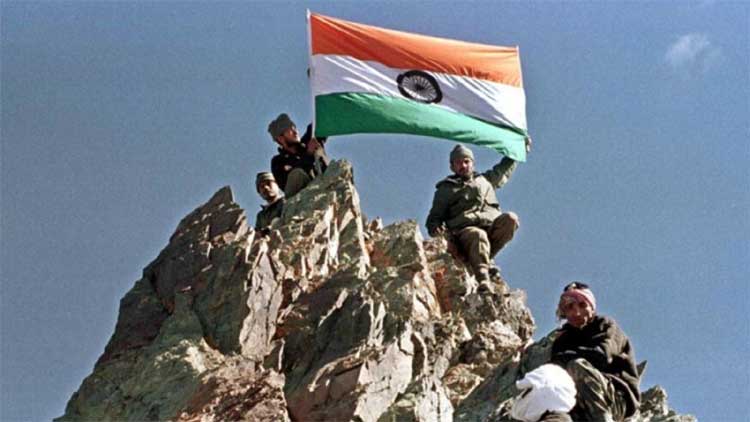
As India marks Kargil Vijay Diwas, it remembers the 527 soldiers who laid down their lives in the 1999 Kargil War, recapturing strategic heights from Pakistani intruders along the Line of Control (LoC). Their courage remains an enduring symbol of sacrifice, but the conflict also underscored a critical national security lesson: the immense cost of intelligence failures.
The Pakistani intrusion, planned under then Army chief Gen. Pervez Musharraf, unfolded even as Prime Minister Atal Bihari Vajpayee pursued peace through the Lahore Declaration. Documents recovered during the conflict later suggested Pakistan had begun infiltrating the Kargil sector months before Indian forces detected the incursion in May 1999.
The war highlighted the need for robust intelligence gathering, continuous military vigilance and timely assessment of threats. Analysts have long argued that stronger surveillance and actionable intelligence could have reduced both the human and economic costs of the conflict.
The Kargil experience also exposed broader shortcomings that resurfaced in later security crises, including the IC-814 hijacking, the 2001 Parliament attack, the 26/11 Mumbai attacks, the Pulwama and Pahalgam terror strikes, and other cross-border attacks. While successive governments have responded militarily to such incidents, preventing them through better intelligence remains the preferred and less costly option.
Modern warfare also carries a heavy financial burden. Advanced missiles, air defence systems and precision-guided weapons used in military operations cost billions, adding to the human toll of conflict. Security experts argue that sustained investment in human intelligence, technology, coordination among agencies and proactive threat detection is ultimately far more economical than fighting preventable wars.
As India seeks a larger global role, many strategic observers believe strengthening intelligence capabilities must remain a national priority. That includes improving human intelligence, enhancing inter-agency coordination, encouraging innovation and ensuring security institutions can respond swiftly to evolving threats.
Kargil Vijay Diwas is therefore not only a tribute to the bravery of India’s soldiers but also a reminder that national security depends as much on preventing conflict through vigilance and intelligence as it does on winning battles once war begins.
Comments are closed, but trackbacks and pingbacks are open.