
Hantavirus explained: Can it spread person to person? Bengaluru doctor answers key questions

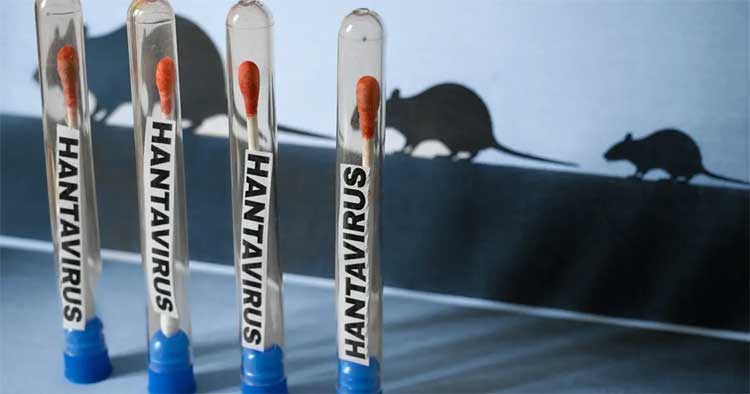
Rising reports of Hantavirus infections have sparked fresh public concern over whether the virus could trigger another global health crisis similar to COVID-19. But medical experts say such fears are largely misplaced, stressing that hantavirus spreads very differently from highly contagious respiratory viruses.
Dr Aravinda SN, lead consultant in internal medicine at Aster RV Hospital, said the growing anxiety stems from widespread misunderstanding about how the virus is transmitted.
“The recent increase in hantavirus infections has created public concern because many people fear it could evolve into a new global pandemic,” he said.
However, he emphasised that hantavirus does not spread through communities in the same way as Covid-19.
How hantavirus spreads
Unlike airborne respiratory viruses, hantavirus is a zoonotic infection, meaning it is transmitted from animals to humans — primarily through rodents.
According to Dr Aravinda, infected rodents carry the virus in their urine, saliva and droppings.
Humans typically contract the virus by inhaling contaminated particles that become airborne when rodent-infested spaces are disturbed, especially during cleaning.
The highest-risk environments include enclosed and poorly ventilated areas such as sheds, cabins, storerooms and abandoned buildings.
Human-to-human spread extremely rare
One of the key differences between hantavirus and Covid-19 is its limited capacity for person-to-person transmission.
“Human-to-human transmission is extremely uncommon,” Dr Aravinda said, noting that most hantavirus strains identified in North America and many other regions do not spread between individuals.
This sharply reduces the likelihood of widespread outbreaks on the scale seen during respiratory pandemics.
Prevention centres on rodent control
Experts say preventing hantavirus infection depends largely on maintaining clean environments and minimising rodent exposure.
Dr Aravinda advised people to ensure proper sanitation in homes, workplaces and food storage areas to reduce the risk of infestations.
He also warned against dry sweeping or vacuuming rodent waste, as this can release infectious particles into the air.
Instead, he recommended:
- Wearing gloves and masks when cleaning potentially contaminated spaces
- Using disinfectants before handling rodent waste
- Ensuring adequate ventilation while cleaning enclosed areas
Why group outbreaks happen
Cases involving multiple infections in places such as cruise ships or shared accommodation are usually linked to common environmental exposure rather than person-to-person spread.
Poorly maintained cabins, contaminated food storage and rodent infestations are often the underlying causes.
While vigilance is important, experts stress that hantavirus lacks the transmission characteristics needed to trigger a Covid-style global pandemic.
Comments are closed.