
Earth is heating up faster than at any time in its history

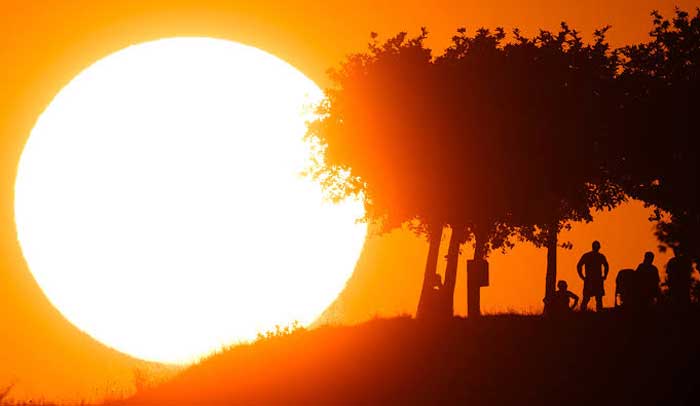
The Earth is warming at an unprecedented pace, with scientists warning that the planet is heating faster than at any point in recorded history. Rising global temperatures, driven primarily by human activities such as burning fossil fuels and deforestation, are accelerating climate change and increasing the frequency of extreme weather events across the world.
According to climate experts, the last decade has been the warmest ever recorded. Global average temperatures have repeatedly broken records, while oceans are absorbing vast amounts of heat, glaciers are melting at alarming rates, and sea levels continue to rise. Scientists say the current rate of warming is unlike anything experienced in modern human civilisation.
Why is Earth heating up?
The main cause is the buildup of greenhouse gases—particularly carbon dioxide (CO₂), methane and nitrous oxide—in the atmosphere. These gases trap heat from the Sun, creating a “greenhouse effect” that raises the Earth’s average temperature.
Human activities responsible for these emissions include:
- Burning coal, oil and natural gas for electricity and transportation.
- Deforestation, which reduces the planet’s ability to absorb carbon dioxide.
- Industrial production and agriculture, which release large amounts of greenhouse gases.
Visible impacts around the world
The consequences of rapid warming are already being felt across continents.
- Heatwaves are becoming longer, hotter and more frequent.
- Floods and heavy rainfall are increasing as warmer air holds more moisture.
- Wildfires are spreading more rapidly due to hotter and drier conditions.
- Droughts are affecting agriculture and drinking water supplies.
- Melting glaciers and polar ice are contributing to rising sea levels, threatening coastal communities.
Scientists also warn that warming oceans are damaging coral reefs, disrupting marine ecosystems and intensifying tropical cyclones.
What does it mean for India?
India is among the countries most vulnerable to climate change. Rising temperatures have led to more severe heatwaves, erratic monsoon rainfall, flash floods in some regions and prolonged droughts in others.
Experts say these changes could affect food production, water availability, public health and livelihoods, particularly for farmers and people living in climate-sensitive regions.
Can global warming be slowed?
Scientists say the worst impacts can still be limited if countries take rapid action to reduce greenhouse gas emissions.
Key measures include:
- Expanding renewable energy such as solar and wind power.
- Reducing dependence on fossil fuels.
- Protecting and restoring forests.
- Improving energy efficiency.
- Promoting sustainable transport and cleaner technologies.
Individuals can also contribute by conserving energy, reducing waste, using public transport, and adopting environmentally friendly lifestyles.
A race against time
Climate experts caution that every fraction of a degree matters. Limiting global warming will require coordinated action from governments, businesses and citizens alike. While the challenge is immense, scientists stress that immediate and sustained efforts can still help avoid the most severe consequences of climate change and protect future generations.
Comments are closed.