
Diwali travel trends, UNESCO Tentative List and nature’s extraordinary wonders: What travellers are exploring

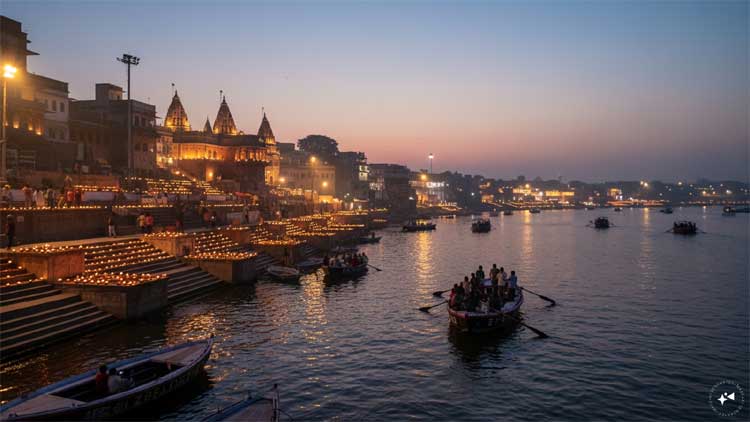
Diwali is increasingly becoming an opportunity for Indians to combine festive celebrations with travel, cultural exploration and nature-based experiences. From short domestic getaways and heritage destinations to spectacular natural landscapes, travellers are exploring a wider range of experiences during the festive season.
At the same time, interest in UNESCO heritage recognition and extraordinary natural wonders is drawing attention to destinations that offer historical significance, ecological diversity and distinctive cultural identities. Together, these trends reflect a growing interest in travel that goes beyond conventional sightseeing.
Diwali travel trends: Short breaks and experiential holidays gain attention
The Diwali holiday period offers an opportunity for families, couples and groups of friends to plan short breaks around festive gatherings. Destinations that combine convenient connectivity, comfortable accommodation and distinctive local experiences can be particularly attractive to travellers with limited time.
Popular travel themes during the festive season include heritage walks, spiritual tourism, culinary experiences, wildlife excursions and holidays in the mountains. Some travellers also use the extended holiday period to explore less familiar destinations away from crowded tourist centres.
Domestic tourism remains an important part of India’s travel landscape, with destinations across Rajasthan, Himachal Pradesh, Uttarakhand, Kerala and the northeastern states offering varied experiences. However, travellers should check local weather conditions, transport availability, accommodation prices and festival-related crowds before finalising their plans.
UNESCO Tentative List: Discovering places of outstanding heritage value
The UNESCO World Heritage Tentative List is another point of interest for travellers keen to discover places with historical, cultural or natural significance.
A Tentative List is an inventory of properties that a country considers suitable for possible future nomination to the UNESCO World Heritage List. Inclusion does not mean that a property has already been granted World Heritage status, but it can indicate that the site is being considered for potential nomination.
India has a rich range of cultural and natural heritage, including historic forts, archaeological sites, sacred landscapes, architectural landmarks and ecologically significant areas.
Exploring such destinations can help travellers understand the stories behind India’s built heritage, traditional knowledge systems and natural environments. It can also encourage greater appreciation of places that may receive less attention than the country’s most famous tourist attractions.
For travellers, checking the latest official UNESCO listings before planning a visit is important, particularly when distinguishing between Tentative List sites and properties already inscribed on the World Heritage List.
Nature’s extraordinary wonders: From mountains to biodiversity hotspots
Natural landscapes remain a major attraction for travellers seeking relaxation, adventure and opportunities to reconnect with the outdoors.
India’s Himalayan region offers dramatic mountain scenery, alpine valleys and opportunities for trekking, while the Western Ghats are known for their rich biodiversity, forests and waterfalls. The country’s northeastern region features lush hills, distinctive ecosystems and communities with diverse cultural traditions.
Coastal landscapes, mangrove forests, wetlands and desert environments offer equally distinctive experiences. Each provides an opportunity to understand how geography, climate and biodiversity shape local livelihoods and traditions.
Nature-focused travel can also include birdwatching, guided forest walks, responsible wildlife tourism and visits to protected areas. Choosing authorised guides, respecting wildlife viewing distances and avoiding littering are essential practices for minimising the environmental impact of these activities.
Combining festive travel with cultural discovery
Diwali travel can offer more than a change of scenery. Visiting historic towns, local markets, museums and traditional neighbourhoods can provide insight into regional customs, architecture, cuisine and festive traditions.
Travellers can also support local economies by choosing locally owned accommodation, hiring authorised guides, purchasing authentic handicrafts and sampling regional food.
At heritage and ecologically sensitive sites, visitors should follow local regulations and respect community traditions. Responsible planning becomes particularly important during the festive period, when increased visitor numbers can place pressure on transport systems, public spaces and fragile environments.
Planning a memorable Diwali getaway
A successful festive holiday begins with choosing a destination that matches the available time, budget and interests of the traveller. Booking transport and accommodation early can help manage peak-season demand, while flexible itineraries allow visitors to adjust to weather changes and local conditions.
Travellers interested in UNESCO-listed heritage should verify the site’s official status, while those seeking nature-based experiences should check seasonal access restrictions and conservation guidelines.
For destinations with heavy Diwali footfall, travelling during less crowded hours and exploring nearby attractions can also make the experience more comfortable.
Conclusion
Diwali travel, UNESCO heritage exploration and nature-based tourism represent three complementary ways to experience India’s cultural and geographical diversity. Whether discovering a historic monument, visiting a destination being considered for future UNESCO nomination or exploring an extraordinary natural landscape, travellers have opportunities to make their holidays more meaningful.
With thoughtful planning and responsible choices, the festive season can become an occasion not only for celebration and relaxation but also for discovering the heritage, communities and natural wonders that make each destination unique.
Comments are closed, but trackbacks and pingbacks are open.