
Congo’s Ebola Outbreak Surpasses 8,000 Confirmed Cases As Virus Continues To Spread

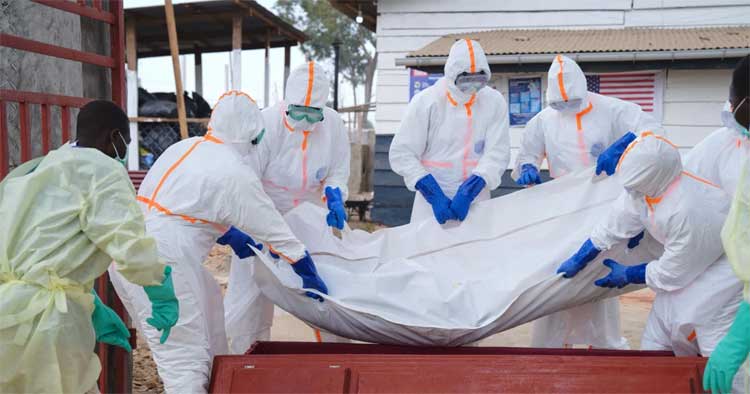
The number of confirmed Ebola cases in the Democratic Republic of Congo has surged past 8,000, with the country struggling to maintain enough health workers to contain the deadly outbreak, officials said Monday.
The outbreak is Congo’s 17th and has been described as its deadliest.
Congo declared the outbreak on May 15 after cases of the rare Bundibugyo virus were detected. The virus has no known approved treatment or vaccine, making containment efforts particularly challenging.
According to the latest data released by Congo’s Health Ministry on Sunday, 8,067 cases had been confirmed and 3,901 deaths recorded as of September 26. The cases have been reported across 63 health zones in seven of the country’s 26 provinces, putting the fatality rate at more than 48%.
“The continuously high crude case fatality ratio, and especially the continuously high rate of deaths occurring in communities, highlights the seriousness of the disease and the persistent challenges in timely case detection and access to early and adequate patient care,” the World Health Organization said in its latest report.
The high fatality rate indicates that a large proportion of confirmed patients have died, although the figures do not account for possible undetected cases or delays in seeking medical care.
Congo Ruling Party Official Attacked Over Ebola Measures
An official of Congo’s ruling Union for Democracy and Social Progress (UDPS), Marie-Célestin Karondwa, was attacked by unidentified assailants Sunday after defending the government’s Ebola response measures during a radio programme, the party said.
Karondwa, acting president of the UDPS federal executive in Butembo in North Kivu province, one of the outbreak’s hotspots, was in critical condition following the attack.
The party said he was attacked by alleged troublemakers from his neighborhood, Vulindi, and called on the government to investigate.
The Ebola response has faced resistance since the outbreak began, with some residents dismissing the disease as a hoax. Health workers and medical facilities have also faced attacks on several occasions.
Ebola Response Strains Other Health Services
The UN Office for the Coordination of Humanitarian Affairs said Monday that the outbreak was beginning to affect other essential services in the hardest-hit areas as resources were redirected toward Ebola containment.
OCHA said routine primary healthcare services in Ituri province alone declined by 13% between April and June.
“The indirect impact of the outbreak reflects both reduced health service availability — as a result of staffing and operational pressures — and reduced demand, as fear of infection and isolation discourages care-seeking,” OCHA said.
The WHO warned last week that Congo was running out of health workers needed to contain the outbreak. Health workers have also reported delayed or missing payments, leading to several strikes.
The Africa Centers for Disease Control and Prevention said 50 health workers have died since the outbreak was declared.
Some Areas See Improvement, But Outbreak Continues To Spread
Some areas have reported signs of improvement, with fewer confirmed cases in recent weeks in provinces including Ituri and Haut-Uele. However, officials have warned that the virus continues to spread in other areas, increasing the outbreak’s geographical reach.
Africa CDC data show that the current outbreak has spread faster than the 2014-2016 West Africa Ebola outbreak during the corresponding period.
By week 19, the West Africa outbreak had recorded 3,781 cases, while the current Congo outbreak had reached 7,840 cases, according to Africa CDC data.
The WHO has warned that the Congo outbreak is on track to surpass the West Africa epidemic, which killed about 11,000 people.
Insecurity Hampers Containment
Efforts to contain the outbreak have been further complicated by insecurity, population displacement, shortages of health workers, strikes and intense population movements.
Authorities and international health agencies continue to focus on detecting cases, providing treatment and strengthening community-level surveillance, but persistent insecurity and limited healthcare capacity remain major obstacles to containing the outbreak.
Comments are closed, but trackbacks and pingbacks are open.