
Climate change is driving unprecedented European ocean temperatures, with severe impacts for marine life

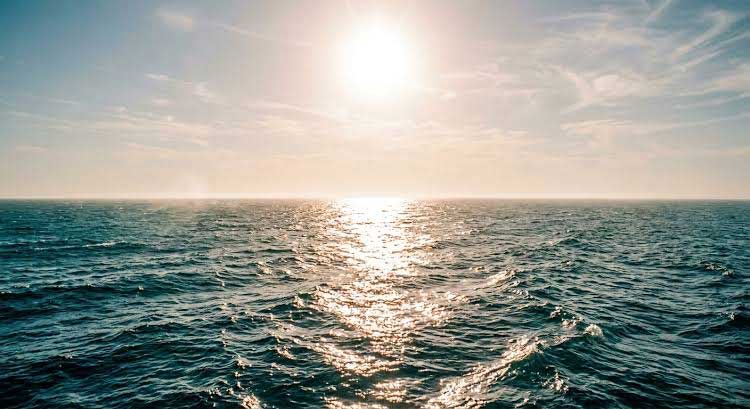
Europe’s surrounding seas are experiencing exceptionally high temperatures, with climate change driving unprecedented ocean warming and putting marine ecosystems, fisheries and coastal communities under growing pressure, according to a new analysis by World Weather Attribution.
July 2026 saw the world’s highest-ever recorded sea surface temperatures, while record warmth was observed in the Atlantic along Europe’s coast and across the western Mediterranean. In June, Mediterranean sea surface temperatures were as much as 6°C above normal in some areas.
Researchers from Switzerland, Sweden, the United States, Ireland and the UK assessed the role of human-induced climate change in the extreme sea surface temperatures recorded around Europe this year.
Mediterranean warming far exceeds global average
The analysis found particularly strong warming across the Mediterranean. Compared with historical temperatures, sea surface temperatures have increased by about 3.1°C in the western Mediterranean and 2.6°C in the eastern Mediterranean. Temperatures in the Bay of Biscay and Iberian Peninsula region have risen by about 1.5°C, while the Celtic region has warmed by around 1.2°C.
Researchers estimated that human-caused climate change contributed about 2°C to the warming observed in the two Mediterranean regions. They said such extreme events would have been very rare in a climate 1.4°C cooler than today, even though they are becoming increasingly common in the present climate.
The researchers also found that marine heatwaves are affecting much larger areas than they would have in a cooler climate. In the eastern Mediterranean, for example, nearly 70% of the region experienced marine heatwaves, compared with about 9% under a climate 1.4°C cooler.
Marine life facing severe disruption
The extreme heat is putting marine ecosystems under significant stress. Marine heatwaves can cause mass mortality among habitat-forming species such as corals, sponges and macroalgae. Losing these species can disrupt entire ecosystems and trigger further losses among fish, invertebrates, seabirds and marine mammals.
Warmer waters are also forcing marine species to move towards cooler regions. Such shifts can alter the composition of marine communities and affect the availability of fish and crustaceans for fisheries and aquaculture.
Changes are already being observed in European waters. Fishermen in the UK have reported an increase in octopus populations, while several marine species are moving northward as waters warm.
Marine food chains are also being affected. Reports of dolphins feeding on jellyfish have emerged as their usual prey, including mackerel, becomes less available in some areas.
Risks for coastal communities
The consequences of unusually warm seas extend beyond marine ecosystems. Warmer ocean waters can increase air temperatures and humidity in coastal areas, worsening heat stress, particularly at night.
Higher ocean temperatures can also increase evaporation and atmospheric moisture, potentially contributing to intense rainfall events later in the season. Researchers noted links between exceptionally warm Mediterranean waters and extreme rainfall events, including the devastating Valencia floods in 2024.
Human health risks may also rise as more people head to beaches during periods of extreme land-based heat. The European Centre for Disease Prevention and Control has warned that prolonged high temperatures can increase the risk of water-borne illnesses such as vibriosis.
Warmer and changing marine conditions can also favour jellyfish, potentially affecting coastal tourism if large concentrations force beaches to close.
Scientists warn of hotter oceans ahead
The study warns that the current extreme temperatures could become even more severe as global warming continues. Researchers found that under a future climate around 2.8°C warmer than pre-industrial levels, comparable extreme events could be another 1.3°C to 1.9°C hotter than those recorded in 2026.
Scientists said adaptation measures can help reduce the vulnerability of marine ecosystems. These include protecting habitats, reducing other pressures on marine environments, improving fisheries and aquaculture management, and strengthening monitoring and early-warning systems.
However, the researchers stressed that adaptation alone cannot fully offset the ecological damage caused by continued ocean warming.
A rapid transition away from fossil fuels, they said, is essential to protect marine ecosystems, fisheries, food production and tourism along Europe’s coasts.
Comments are closed, but trackbacks and pingbacks are open.