
California wildfires offer stark warning as Australia braces for El Niño-driven bushfire risk

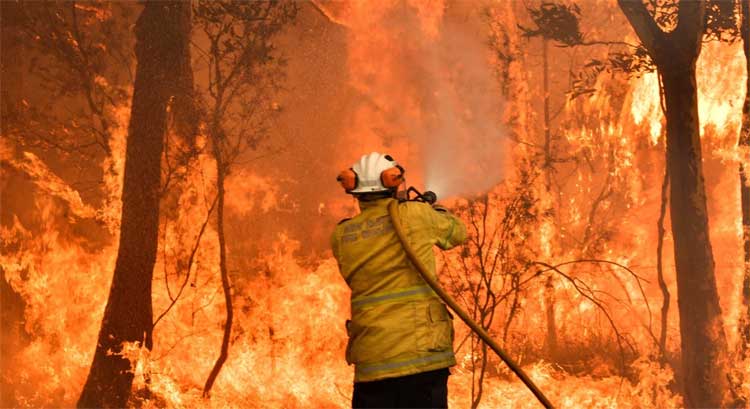
California is once again battling an intense wildfire season, with extreme heat, prolonged drought, dry vegetation and strong winds combining to fuel thousands of blazes. Experts say the conditions unfolding in the US could serve as a warning for Australia, where a strengthening El Niño may significantly elevate bushfire risks in the months ahead.
As of July 24, California had recorded more than 3,800 wildfires this year, scorching around 79,000 hectares of land. The largest active fire in Lassen County alone has burned over 28,000 hectares, highlighting the scale of the crisis.
Why California’s fires are spreading so rapidly
The current wildfire season is being driven by a combination of persistent drought, unusually dry vegetation and soaring temperatures. Even living plants have become highly flammable as warmer air strips moisture from soils and vegetation faster than it can be replenished.
Another growing concern is the rise in warm nights. Traditionally, cooler overnight temperatures help firefighters strengthen containment lines. But hotter, drier nights now allow fires to burn almost continuously, making them much harder to control.
Strong winds have further intensified the danger, rapidly spreading flames through California’s mountainous terrain. Decades of fire suppression have also left forests packed with dense undergrowth and fallen timber, providing abundant fuel for larger and more destructive fires.
Climate change worsening fire conditions
Scientists say climate change is increasing the frequency and intensity of dangerous fire weather across the western United States. Rising global temperatures are extending fire seasons, drying out landscapes for longer periods and increasing the chances of multiple large wildfires breaking out simultaneously, stretching emergency resources.
The expansion of homes and infrastructure into fire-prone areas has also heightened the risk to communities.
What it means for Australia
The situation has raised concerns in Australia, where the Bureau of Meteorology has confirmed that El Niño has developed. The climate pattern is typically associated with below-average rainfall and above-average temperatures across much of eastern and southern Australia.
Meteorologists are also closely monitoring the Indian Ocean Dipole (IOD). If it shifts into a positive phase while El Niño strengthens, the combined effect could significantly reduce rainfall and create exceptionally dry conditions across southern and southeastern Australia ahead of the spring and summer bushfire season.
Authorities have already identified above-normal fire potential in drought-affected parts of New South Wales, warning that continued warm and dry weather could sharply increase bushfire activity.
Early preparation remains crucial
Experts caution that a severe bushfire season is not inevitable, but the warning signs warrant early preparation. California’s experience demonstrates how drought, heat, strong winds and dry vegetation can rapidly escalate into major wildfire emergencies. With climate conditions pointing toward a hotter and drier season, Australian authorities are urging communities to remain vigilant and prepare well before the peak fire season begins.
Comments are closed.