
Climate change puts Philippines’ UNESCO-listed Batad rice terraces at growing risk

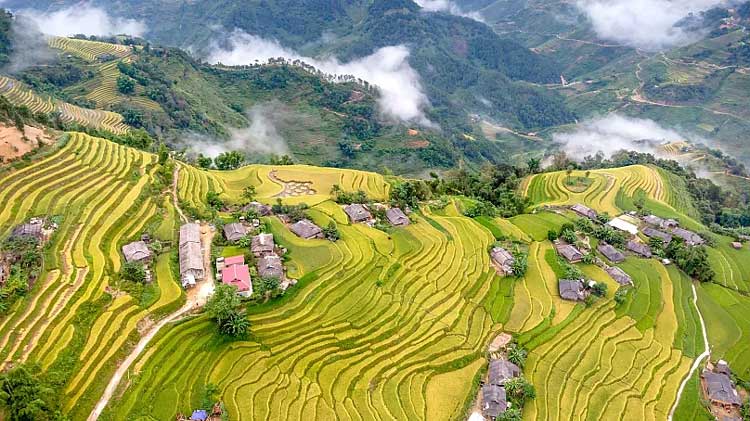
Nestled high in the mountains of the Philippines, the centuries-old Batad Rice Terraces—a UNESCO World Heritage Site and a symbol of the Ifugao people’s rich cultural heritage—are facing an escalating threat from climate change.
The village of Batad, perched 1,100 metres above sea level, has long relied on its iconic terraces for livelihood and tradition. But increasingly frequent landslides, prolonged droughts and intense rainfall are damaging the ancient landscape, raising concerns about its future.
In November last year, Super Typhoon Fung-wong triggered a landslide that killed two people, destroyed a centuries-old irrigation canal and damaged more than 2.2 hectares of rice fields, affecting around 150 farmers. It was the latest in a series of landslides that have struck the region in recent years.
Experts warn that changing weather patterns are making the terraces increasingly unstable. Extended dry spells create deep cracks in the soil, while sudden heavy rains accelerate erosion and trigger landslides. With the prospect of another Super El Niño, local communities fear further destruction.
A 2025 study published in Nature found that 80% of UNESCO World Heritage Sites worldwide are experiencing climate-related stress, with sites in low- and middle-income countries receiving the least conservation support.
Despite limited government assistance, Batad residents have joined hands to repair damaged irrigation systems through traditional communal work known as bachang. Local leaders say preserving the terraces is about more than protecting farmland—it is about safeguarding the Ifugao people’s identity, culture and ancestral legacy.
As the annual harvest begins with sacred rituals, village elders continue traditions passed down through generations, expressing hope that the community will overcome the growing climate challenges.
“We will get through this,” said Ifugao elder Apu Penneng, reflecting the resilience of a community determined to protect one of the world’s most remarkable cultural landscapes.
Comments are closed.