
TMC Split Hands NDA Fresh Edge in Parliament Ahead of Crucial Legislation

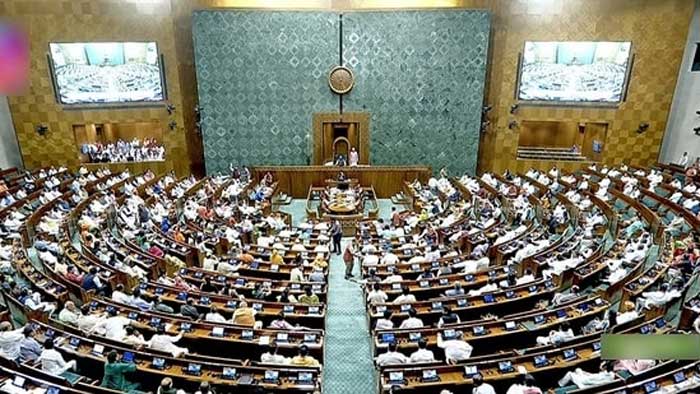
The BJP-led National Democratic Alliance (NDA) is poised to strengthen its position in Parliament after 20 lawmakers from the Trinamool Congress (TMC) informed the Lok Sabha Speaker of their decision to support the coalition as a separate group, potentially making it easier for the government to pass major legislative reforms.
The development comes alongside the resignation of TMC Rajya Sabha member Sukhendu Sekhar Roy, which is expected to further bolster the NDA’s numbers in the Upper House, where it already enjoys a majority.
A larger tally in the Lok Sabha could prove crucial for the government’s legislative agenda, including the proposed Delimitation Bill, which would redraw parliamentary constituencies and increase the number of Lok Sabha seats—a key step linked to implementing 33% reservation for women in legislatures. The NDA is also seeking support for the Constitution (129th Amendment) Bill and the Union Territories Laws (Amendment) Bill, both tied to the government’s push for simultaneous elections.
With 293 MPs in the 543-member Lok Sabha and 149 members in the 245-member Rajya Sabha, the NDA is already in a strong position. The backing of 20 out of TMC’s 28 Lok Sabha MPs would further strengthen its hand on contentious legislation.
Senior BJP leaders said the party did not engineer the split and described the move as a consequence of internal dissatisfaction within the TMC. They also claimed that discussions were underway with the Dravida Munnetra Kazhagam regarding issue-based support for government bills, though no formal alignment has been announced.
The DMK, however, publicly denied reports of any move towards the NDA, while leaving open the possibility of supporting specific legislation on its merits. Party representatives stressed that any decision would be taken independently and not as part of a broader political realignment.
The reported shift has also triggered debate within ideological circles linked to the BJP. Sources indicated that some within the Rashtriya Swayamsevak Sangh have reservations about welcoming legislators from parties such as the TMC and DMK, citing concerns over political opportunism and ideological differences.
If the support materialises formally, it could significantly improve the government’s prospects of securing parliamentary approval for high-stakes reforms, including delimitation and simultaneous elections, both of which require broad political backing and constitutional amendments.
Comments are closed.