
Antarctica tourism boom raises contamination fears as climate-driven ‘last chance’ travel surges

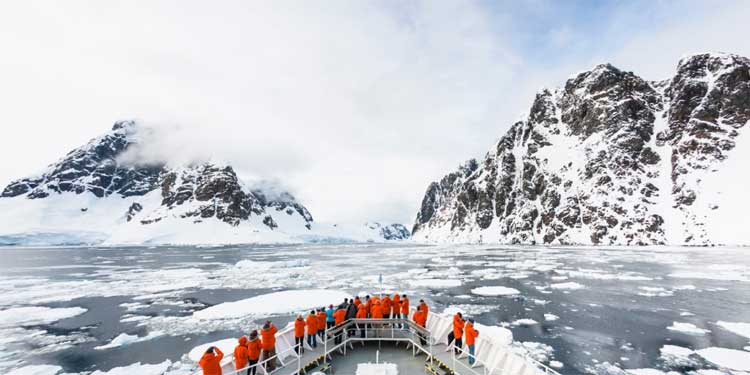
Tourism to Antarctica is rising rapidly as travellers race to witness the frozen continent before climate change irreversibly transforms its landscape, prompting growing concern among scientists and environmentalists over the risks posed to one of Earth’s most fragile ecosystems.
The issue has gained renewed attention following a deadly hantavirus outbreak aboard the Dutch polar cruise ship MV Hondius, highlighting the potential public health and environmental risks associated with the surge in Antarctic travel.
Tourism to the icy frontier surges
Although visitor numbers remain relatively small compared with mainstream tourist destinations, growth has been dramatic.
In 2024, more than 80,000 tourists landed on Antarctica, while another 36,000 viewed the continent from ships, according to the International Association of Antarctica Tour Operators.
The International Union of Concerned Scientists estimates tourism to Antarctica has increased tenfold over the past three decades.
Researchers at the University of Tasmania project annual visits could exceed 400,000 within the next decade as expedition costs decline and more ice-capable vessels enter service.
A major factor driving this rise is “last chance tourism” — travellers eager to see Antarctica before climate change alters it beyond recognition.
The Antarctic Peninsula, the most visited part of the continent, is also among the fastest-warming regions on Earth.
NASA estimates Antarctica lost an average of 149 billion metric tons of ice annually between 2002 and 2020.
Hantavirus outbreak sparks concern
The recent outbreak aboard MV Hondius has underscored the challenges of managing health risks in such remote conditions.
The World Health Organization said the ship departed Ushuaia, Argentina, on April 1 and visited Antarctica and several isolated islands.
Officials are investigating possible human-to-human transmission of hantavirus, though they believe the initial infected passenger likely contracted the virus before boarding.
Authorities have said there is no evidence of rats aboard the vessel.
Risks to a pristine ecosystem
Experts warn that increased human activity heightens the threat of contamination, invasive species and disease transmission.
Antarctica has already faced biological threats.
Migratory birds carried avian influenza from South America to the continent in recent years, raising alarm among researchers.
Strict biosecurity protocols require tourists to disinfect boots and equipment and avoid contact with wildlife or the ground beyond designated walking areas.
Former Antarctic guide Hanne Nielsen said even boot laces can carry seeds, microbes and debris capable of disrupting the ecosystem.
Calls for stronger regulation
Antarctica is governed by the 1959 Antarctic Treaty, which designates it as a scientific preserve devoted to peaceful purposes.
Tour operators and research missions voluntarily follow environmental guidelines and submit impact assessments.
But conservationists argue the framework was designed for a far smaller tourism footprint.
Environmental groups are now calling for tighter oversight and stronger protections for Antarctic wildlife, including penguins, whales, seals and krill.
As climate anxiety fuels more visits, experts warn the challenge will be balancing public access with preserving one of the planet’s last great wildernesses.
Comments are closed.