
Exercise physiologist reveals workout plan for menopausal women: ‘Ignore the cardio machines’

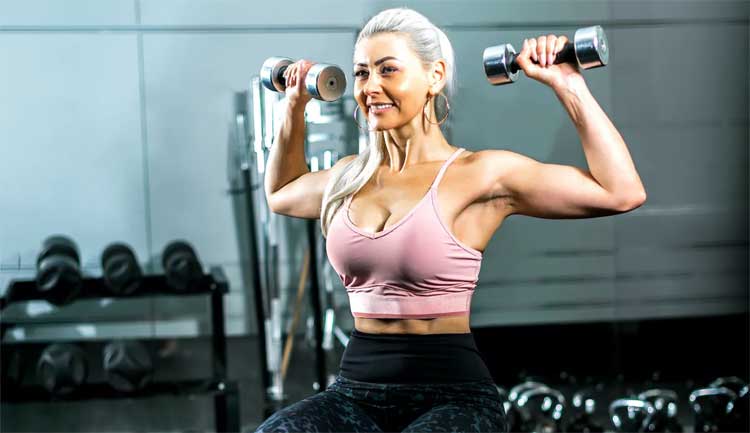
Menopause marks a critical transition in a woman’s life, bringing significant hormonal changes, including the end of menstruation and a sharp decline in estrogen levels. These shifts can affect everything from energy and metabolism to muscle mass and bone health. Despite these changes, fitness remains non-negotiable for menopausal women—though it does require smarter prioritisation and a move away from long-held misconceptions.
Exercise physiologist and nutrition scientist Dr Stacy Sims, PhD, outlined key fitness principles for menopausal women during an episode of The Mel Robbins Podcast on January 15.
Three things menopausal women should focus on at the gym
Dr Sims emphasised a clear shift in approach:
“Ignore the cardio machines, ignore the classes, and go where the strength training is.”
Group fitness classes—such as Zumba, aerobics and yoga—are often marketed toward middle-aged women as low-intensity, accessible workouts. However, Dr Sims suggested this mindset is outdated and may limit long-term health benefits.
Instead, she urged menopausal women to prioritise strength training, which plays a crucial role in preserving muscle mass and supporting bone density as estrogen levels decline.
“We really need to get out of the mindset that women belong on the elliptical or treadmill and not in the weight room,” Dr Sims said, adding that the belief that strength training is too strenuous for women is simply untrue.
Which strength-training exercises should menopausal women do?
Strength training doesn’t have to be intimidating, Dr Sims noted. Women can experiment with a variety of tools, including dumbbells, barbells, resistance machines and sled pushes.
She singled out sled pushes as particularly effective, describing them as a full-body exercise that builds strength, boosts power and keeps workouts engaging.
What about cardio?
Focusing on strength training doesn’t mean eliminating cardio altogether. Instead, Dr Sims recommended short, high-intensity cardio sessions rather than long, steady-state workouts.
“We are supposed to do cardio—a little bit,” she explained.
That “little bit” should emphasise intensity over duration, such as sprint interval training. This involves short bursts of maximum effort lasting 20 to 30 seconds, followed by adequate recovery. The aim is to repeat these efforts while maintaining the same level of intensity.
Start early
Dr Sims advised women to adopt strength-focused fitness routines as early as perimenopause, which can begin in the mid-30s. According to the Cleveland Clinic, preparing the body early can help counter the physical challenges that emerge during menopause.
Comments are closed.