
Say Goodbye to Cakey Makeup: A Complete Guide to a Flawless Base

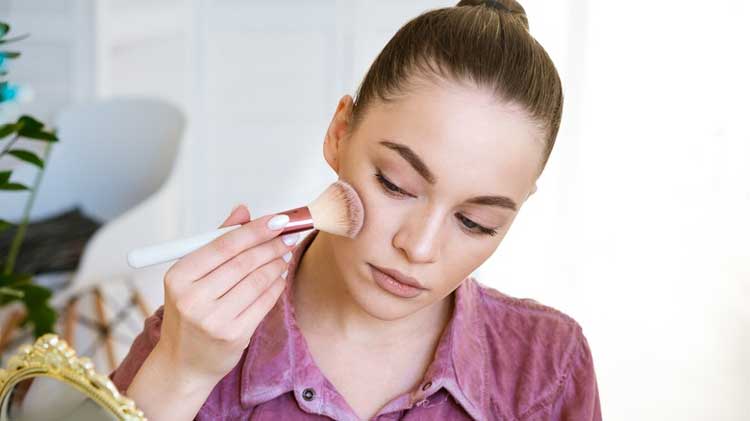
Ever spent hours perfecting your makeup only to find it looking patchy, heavy, or cakey a few hours later? Whether it’s a wedding or a cocktail party, makeup can lose its smooth, fresh finish over time—and the main culprit is often your makeup base.
In this guide, we’ll explain why makeup gets cakey and share practical tips to achieve a seamless, long-lasting look every time.
What is Cakey Makeup?
Cakey makeup happens when layers of foundation, powder, or concealer build up unevenly on the skin, highlighting texture and giving an unnatural, heavy appearance.
Why Makeup Becomes Cakey
Some common reasons include:
-
Dehydrated skin: Makeup clings to dry patches, making texture more visible.
-
Too much product: Heavy layers of foundation or powder lead to buildup.
-
Wrong product choice: Using formulas not suited to your skin type can separate or oxidize.
-
Improper blending: Skipping thorough blending creates streaks and unevenness.
Tips for Smooth, Flawless Makeup
Step 1: Prep Your Skin
Great makeup starts with well-prepped skin.
-
Cleanse: Remove dirt and oil with a gentle cleanser.
-
Exfoliate: Use a mild exfoliator twice a week to slough off dead skin cells.
-
Hydrate: Moisturize according to your skin type—light gels for oily skin, rich creams for dry skin.
-
Prime: Use a primer to smooth surfaces and help foundation grip. Matte primers suit oily skin, hydrating primers work best for dry skin.
Step 2: Choose the Right Foundation
Pick a formula that complements your skin type:
-
Dry skin: Hydrating, dewy-finish foundation.
-
Oily skin: Lightweight, oil-free, or matte foundation.
-
Combination skin: Satin-finish foundation works best.
Coverage tip: Full-coverage foundations can look heavy if over-applied. Opt for light-to-medium coverage and spot-conceal only where needed.
Step 3: Apply Less, Blend More
-
Build coverage gradually—less is more.
-
Use a damp beauty sponge or stippling brush for seamless blending.
-
Focus on areas that need coverage, like blemishes or redness.
-
Check your makeup under natural light to avoid streaks.
Step 4: Conceal Strategically
-
Apply concealer sparingly, especially under the eyes, in a triangular shape.
-
Blend gently with a damp sponge.
-
Dab blemish concealer with your finger or brush, blending edges into foundation.
-
Concealer should enhance, not replace your foundation.
Step 5: Set Smartly with Powder
-
Use a finely milled translucent powder to lock makeup in place.
-
Apply lightly with a fluffy brush, focusing on oily areas like the T-zone.
-
Avoid over-powdering dry areas to prevent emphasizing texture.
Step 6: Refresh Throughout the Day
-
Use blotting papers to absorb excess oil without disturbing makeup.
-
Mist with hydrating spray or setting spray to soften powder and create a natural finish.
-
For touch-ups, reapply powder only where necessary—avoid layering foundation all over again.
Pro Tips for a Flawless Finish
-
Apply makeup in natural light to spot streaks.
-
Warm foundation with your fingers for a skin-like finish.
-
Mix a drop of facial oil into foundation if skin feels tight or dry.
-
Avoid layering incompatible formulas (e.g., oil-based foundation with water-based concealer).
Final Thoughts
Cakey makeup can ruin even the most expensive products, but it’s completely avoidable with proper prep and application. Focus on:
-
Hydrated, well-prepped skin
-
Products suited to your skin type
-
Applying in thin, buildable layers
-
Blending thoroughly
With these tips, your makeup can look like second skin, enhancing your natural beauty instead of masking it. Say goodbye to cakey makeup forever!
Comments are closed.