
Does Breastfeeding Delay Periods? Doctor Clears the Air on Fertility During Lactation

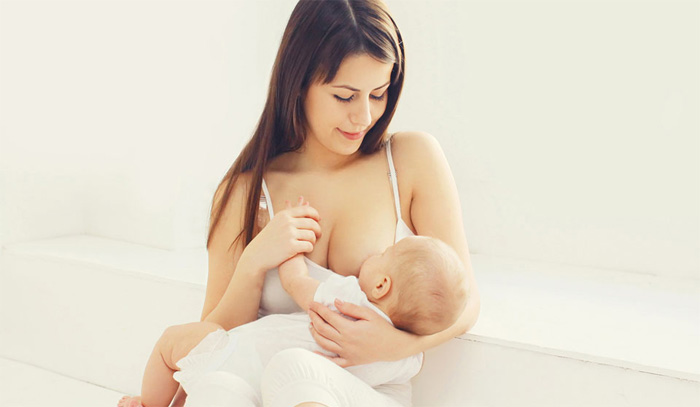
As World Breastfeeding Week (August 1–7) comes to a close, one of the most debated topics among new mothers is the link between breastfeeding and fertility. Can you get pregnant while breastfeeding? Does it delay periods? And is it a reliable form of birth control?
Dr Swapnil Agrahari, Senior Consultant, Obstetrician & Gynaecologist at SilverStreak Multispeciality Hospital, explains the science behind this connection — and clears up some common misconceptions.
Beyond Nourishment: Health Benefits for Mothers
Breastfeeding doesn’t just benefit the baby — it also offers long-term health advantages for mothers. “It can reduce the risk of certain cancers, such as breast and ovarian cancer, and may lower the risk of developing type 2 diabetes,” says Dr Agrahari.
Does Breastfeeding Delay Periods?
For many breastfeeding mothers, periods return later than usual after childbirth. This delay is due to a hormonal change that suppresses ovulation, particularly when breastfeeding exclusively during the first six months without introducing formula or solids. This natural pause in menstrual cycles is called lactational amenorrhea.
Why Breastfeeding Isn’t Foolproof Birth Control
While this delay can act as a temporary form of contraception, Dr Agrahari warns that it’s neither permanent nor guaranteed. “Ovulation can return before the first postpartum period,” he explains. “That means a woman could become pregnant even if she hasn’t menstruated since giving birth.”
The risk increases once night feeds decrease or solids are introduced — often by the six-month mark, but sometimes earlier.
Safer Contraception Choices for New Mothers
Given the uncertainty, medical experts recommend using additional contraception if pregnancy is not planned. Options include progestin-only pills, IUDs, contraceptive implants, or barrier methods like condoms — all of which are safe for breastfeeding and do not affect milk supply.
The Bottom Line
Breastfeeding may delay fertility, but it should not be relied upon as a sole method of contraception. As Dr Agrahari emphasises, “It’s important for new mothers to have a clear understanding — breastfeeding is not a substitute for planned birth control.”
Comments are closed.