
WhatsApp groups, coaching hubs at centre of NEET ‘paper leak’ scandal

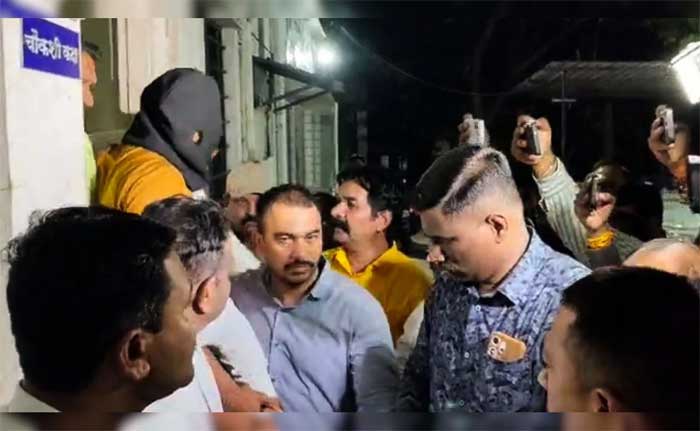
The alleged NEET-UG 2026 paper leak has spiralled into a nationwide controversy, triggering arrests across multiple states, protests by student groups and opposition parties, and renewed scrutiny over the credibility of India’s biggest medical entrance examination.
The National Testing Agency (NTA) has cancelled the May 3 examination and ordered a re-test for more than 22 lakh aspirants, while the Central Bureau of Investigation (CBI) has taken over the probe into what investigators describe as a well-organised interstate racket.
Officials allege the leaked question paper moved through a network involving medical students, counsellors, hostel operators and coaching centres before spreading via Telegram and WhatsApp groups. The controversy has also taken a political turn, with opposition parties demanding accountability from the Centre and several leaders renewing calls to scrap NEET altogether.
Here’s the NEET-UG 2026 paper leak controversy explained in 10 points:
NEET-UG 2026 exam cancelled
The NTA cancelled the May 3 NEET-UG 2026 examination after allegations of a nationwide paper leak surfaced. The agency said inputs from law enforcement authorities raised concerns over the integrity of the examination process. More than 22.79 lakh students had appeared for the test in India and abroad.
CBI takes over investigation
The probe has now been handed over to the CBI, which has formed multiple teams to trace the source of the leak, analyse digital evidence and identify the wider network behind the alleged racket. Officials have seized mobile phones, laptops and other electronic devices from suspects in several states.
Five accused arrested
The CBI has arrested five accused, including Dhananjay Lokhande from Maharashtra, Shubham Khairnar from Nashik, Yash Yadav from Gurugram, and Jaipur-based Dinesh Biwal, Mangilal Biwal and Vikas Biwal. Investigators allege they played key roles in circulating the leaked paper and monetising it.
Money trail under scanner
According to investigators, Lokhande allegedly sold the paper to Khairnar for ₹10 lakh. Khairnar then allegedly passed it to Yash Yadav for ₹15 lakh, after which it reportedly reached the Biwal family in Rajasthan and was sold onward for ₹30 lakh.
Coaching hubs allegedly involved
Officials claim the leaked material reached Rajasthan’s coaching hub Sikar through counsellors, hostel operators and coaching centres. A “guess paper” allegedly containing 120 actual NEET questions hidden within a larger set of 410 questions was circulated among students before the exam.
Telegram, WhatsApp groups probed
Investigators say the paper was shared through Telegram channels and a paid WhatsApp group called “Private Mafia”, where membership fees reportedly ranged from ₹5,000 to ₹30,000. Police believe the network stretched across Maharashtra, Rajasthan, Haryana, Bihar, Kerala and Uttarakhand.
Fresh detentions in Maharashtra
Pune police detained beautician Manisha Waghmare and Ahilyanagar resident Dhananjay Lokhande at the CBI’s request. Officials suspect Waghmare acted as an intermediary linking students with the accused in exchange for money. Her mobile phone and laptop have been seized.
Supreme Court plea seeks reforms
The Federation of All India Medical Association (FAIMA) moved the Supreme Court of India seeking a court-monitored re-test and replacement of the NTA with a technologically advanced autonomous body. The petition also called for reforms such as digital locking of question papers and conducting NEET in computer-based mode.
Political row intensifies
Opposition parties including the Indian National Congress, Aam Aadmi Party and All India Trinamool Congress have targeted the BJP-led Centre over the controversy. AAP chief Arvind Kejriwal demanded accountability, while Congress leaders called for Union Education Minister Dharmendra Pradhan’s resignation. TMC and Congress also alleged links between some accused and BJP leaders in Rajasthan.
Tamil Nadu renews demand to scrap NEET
Tamil Nadu Chief Minister C Joseph Vijay said the latest controversy exposed “structural flaws” in the national examination system and reiterated the state’s long-standing demand to abolish NEET. He argued that the exam disadvantages rural students, government school students and economically weaker aspirants.
Comments are closed.