
Want Thicker, Shinier Hair? Experts Share How Vitamin E Boosts Hair Growth

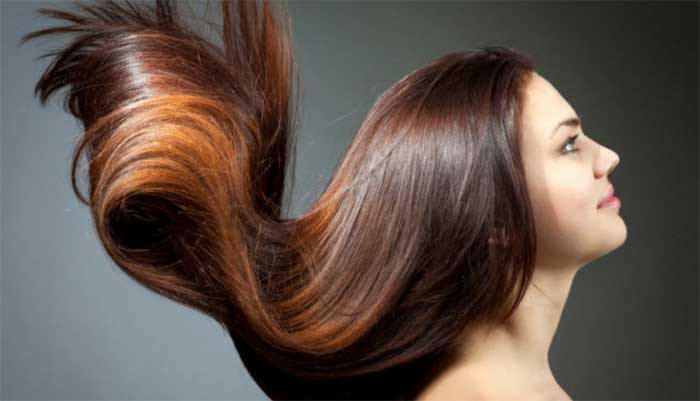
Modern lifestyles, pollution, poor diet, and changing habits often weaken hair, making it lose its natural shine. While vitamin E has recently gained popularity for hair care, it has long been used to nourish hair and improve texture. From reducing hair fall to enhancing shine and managing split ends, vitamin E is often recommended as a natural alternative before turning to chemical treatments.
Expert view
Dermatologist Dr. Shareefa Chause of Shareefa Skin Care Clinic tells Health Shots: “Vitamin E is crucial for hair health. As a fat-soluble antioxidant, it protects hair follicles from oxidative stress and supports a healthy scalp. It improves blood circulation, promoting stronger, shinier hair and reducing breakage.”
What research shows
Hair loss, or alopecia, is linked to increased oxidative stress and reduced antioxidant levels in the scalp. Tocotrienols, a potent form of vitamin E, have been studied for their effect on hair growth. An eight-month clinical trial on volunteers with hair loss found that those taking 100 mg of tocotrienols daily saw a 34.5% increase in hair count, compared to a slight decrease in the placebo group. While hair thickness did not change significantly, the study concluded that tocotrienols may support hair growth by reducing oxidative stress and lipid peroxidation in the scalp.
How vitamin E supports hair health
-
Stimulates hair growth: Vitamin E strengthens weak hair roots and boosts blood flow to the scalp, providing oxygen and nutrients that promote stronger, healthier hair.
-
Improves scalp health: It helps maintain oil balance, preventing dryness or excessive oiliness, and its anti-inflammatory properties may reduce irritation, itchiness, or flakiness.
-
Prevents breakage: Its moisturizing effect improves hair elasticity, reducing split ends and breakage.
-
Restores natural shine: By repairing the hair cuticle and improving hydration, vitamin E brings back the natural luster of dull, damaged hair.
Safety and best practices
Moderation is key. Excessive topical or oral use can cause scalp irritation or vitamin toxicity. Always perform a patch test before applying to the scalp. Oral supplements should be taken as prescribed, especially if you have medical conditions or take other medications. Follow a doctor’s guidance rather than experimenting on your own.
Ways to use vitamin E
Dr. Sneha Sood, dermatologist at Aster RV Hospital, recommends two main methods: topical and oral. Combining both may provide the best results.
-
Topical: Applying vitamin E oil directly delivers nutrients to the scalp and hair. Since the oil is thick, dilute it before use.
-
Dietary sources: Nuts (almonds, hazelnuts), seeds, spinach, sunflower oil, and avocados are rich in vitamin E. Consuming it through food ensures better absorption and safety.
-
Oral supplements: Vitamin E capsules can nourish hair from within and help maintain adequate levels in the body, benefiting overall scalp and hair health.
Comments are closed.