
US military spouses and parents not spared in Trump’s immigration crackdown

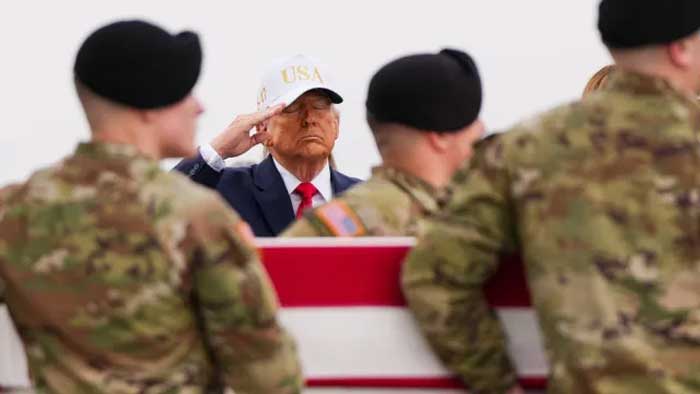
The Trump administration’s sweeping immigration enforcement drive has increasingly affected families with ties to the US military, with spouses, parents and other close relatives of active-duty service members and veterans facing detention and deportation despite longstanding policies that often shielded them from such action.
Immigration advocates and military support groups say several recent cases involve undocumented family members of US troops being detained by Immigration and Customs Enforcement (ICE), raising concerns about the impact on military readiness and family stability. In some instances, relatives who had lived in the United States for years and had no serious criminal records were taken into custody as the administration expanded its deportation efforts.
The crackdown has also placed renewed focus on the fate of the “parole in place” programme, an initiative introduced during the Obama administration that allowed certain undocumented spouses, parents and children of US military personnel to remain in the country temporarily while pursuing legal status. Critics say tighter immigration policies have made such protections more uncertain.
Military families argue that the uncertainty created by aggressive immigration enforcement places additional stress on service members, many of whom are deployed overseas or stationed away from home. Veterans’ organisations have urged the administration to ensure that families of those serving the country are not caught up in routine immigration raids without due consideration of their circumstances.
The Trump administration has defended its immigration agenda, saying enforcement is aimed at upholding US immigration laws and improving border security. Officials maintain that no individual is exempt from enforcement solely because of a family relationship, while adding that immigration authorities evaluate cases based on applicable laws and available forms of relief.
The issue has sparked political debate in Washington, with immigrant rights groups and some lawmakers calling for stronger legal protections for military families. They argue that separating service members from their spouses or parents undermines troop morale and contradicts the nation’s commitment to those who serve in uniform.
As immigration enforcement remains a key priority for the administration, the treatment of military families is expected to remain under close scrutiny, with advocates pushing for legislative safeguards that would prevent deportations of eligible relatives while their immigration cases are being resolved.
Comments are closed.