
Under pressure, DNC releases post-election report critical of Kamala Harris campaign strategy

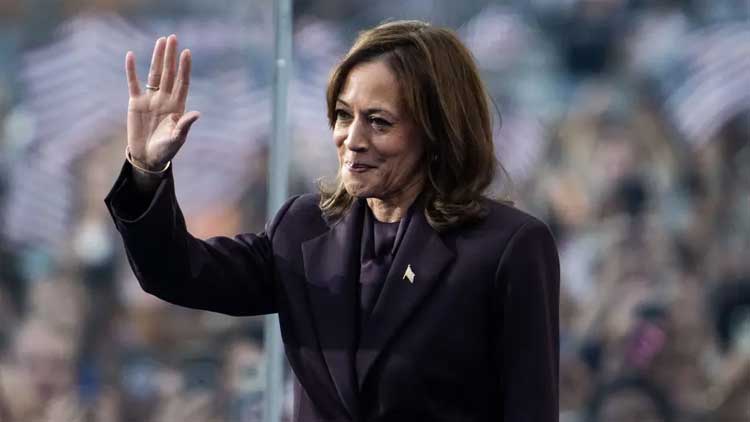
A long-awaited post-election review by the Democratic National Committee has concluded that Kamala Harris failed to adequately connect with rural voters during the 2024 presidential campaign and did not direct enough aggressive messaging at Donald Trump. But the report’s findings quickly became overshadowed by growing frustration within Democratic circles over how party chairman Ken Martin handled its release.
The 192-page post-election review, released Thursday after months of internal debate, had been anticipated as a roadmap for understanding the party’s defeat. Instead, Democratic officials and strategists focused much of their attention on Martin’s decision to delay publication and the broader questions surrounding party leadership.
Martin had promised to release the autopsy after taking over leadership of the DNC but later chose to withhold it, arguing that publishing it earlier risked distracting Democrats from preparations for upcoming elections.
“I didn’t want to create a distraction,” Martin wrote in a public explanation. “Ironically, in doing so, I ended up creating an even bigger distraction.”
He also said the report was incomplete and released with annotations and disclaimers indicating that some findings lacked sufficient evidence or sourcing.
The explanation did little to calm critics. Many Democratic insiders questioned why the party was consumed with internal debate over the 2024 election while other political issues — including economic concerns and foreign policy debates — were dominating national attention.
Criticism of Martin quickly intensified. Democratic strategist Dan Pfeiffer argued that Martin’s handling of the situation raised broader concerns about his leadership.
“It’s hard to imagine anyone handling anything worse than Ken Martin handled the DNC autopsy,” Pfeiffer wrote on social media, adding that Martin “must go.”
The report itself criticized what it described as Democrats’ inability to connect with broad sections of the electorate. It called for greater focus on voters in Middle America and the South, arguing that many communities increasingly feel disconnected from the party’s vision.
The review highlighted several concerns, including reduced investment in state Democratic organizations, changing voter registration trends and what it described as a “persistent inability or unwillingness to listen to all voters.”
One of the most significant conclusions focused on rural voters. The report argued that Harris relied too heavily on urban and suburban support while underestimating the importance of rural constituencies.
“Harris wrote off rural America, assuming urban/suburban margins would compensate. The math doesn’t work,” the report said.
The review also pointed to struggles among male voters, particularly men of color, arguing that the party could no longer assume demographic support based solely on identity politics.
Messaging strategy emerged as another central criticism. According to the report, Harris and Democratic allies failed to mount a sufficiently forceful campaign against Trump, particularly by not emphasizing his legal troubles and felony convictions.
“There was a decision in the 2024 Democratic leadership not to engage in negative advertising at the scale required,” the report stated, arguing that Democrats did not counter the Trump campaign’s aggressive attacks with comparable intensity.
At the same time, the report acknowledged that the campaign faced challenges responding to politically sensitive issues, including attacks related to Harris’ previous comments supporting taxpayer-funded gender-affirming healthcare for prison inmates.
Some Democratic figures also criticized what the report omitted. It largely avoided discussing several contentious issues from the 2024 election cycle, including Joe Biden seeking reelection before stepping aside, Harris’ rapid selection as the Democratic nominee, and internal party divisions over the war in Gaza.
Alexandria Ocasio-Cortez described the omission of Gaza-related tensions as “notable” and stopped short of offering a clear endorsement of Martin’s leadership.
The report’s release has intensified questions about the future direction of the Democratic Party as it prepares for the next election cycle, with internal divisions now extending beyond campaign strategy into debates over leadership and party identity.
Comments are closed.