
UN Food Agency Says Hormuz Closure Threatens Global Food Security

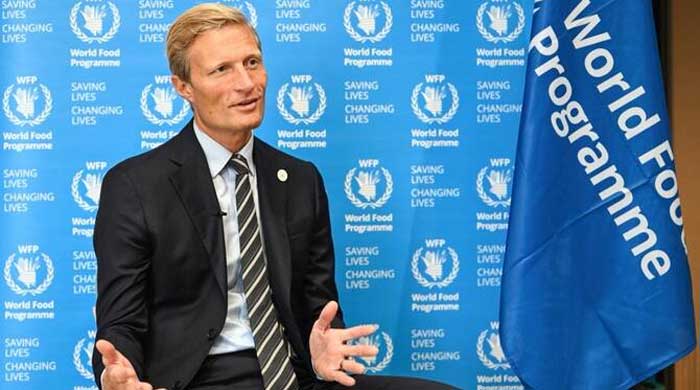
The United Nations World Food Programme (WFP) on Thursday renewed its warning that the conflict involving Iran could trigger a global food and energy shock severe enough to push an additional 45 million people into hunger.
Speaking at UN headquarters in New York, WFP Acting Executive Director Carl Skau said the closure of the Strait of Hormuz remains the central threat to global food and energy security. He cautioned that if oil prices remain at or above $100 per barrel through July, the consequences could be devastating for vulnerable populations worldwide.
“The correlation between the price of energy and food is so tight in many places, and in the poorest countries people are already spending nearly all their income on food,” Skau said.
The warning comes as the WFP grapples with widening funding shortfalls while responding to multiple humanitarian crises across the globe. Skau said he had witnessed the growing strain firsthand during recent visits to Afghanistan, Lebanon and Sudan, while the agency has also raised concerns about worsening food insecurity in countries such as Somalia and Sri Lanka.
He pointed to the rising cost and limited availability of fertilizer as another major concern, particularly in East Africa, where the planting season is underway.
“We’re really worried that agricultural productivity will decline,” he said, noting that the region is entering a crucial rainy season.
In Afghanistan, Skau described a country facing overlapping crises, including earthquakes, severe flooding and economic hardship, compounded by the ripple effects of the conflict involving Iran and tensions with Pakistan.
Beyond rising costs, WFP is also struggling with funding shortages, supply disruptions and the challenges created by large-scale displacement and migration. Humanitarian operations in several conflict zones remain constrained, he said.
Skau highlighted Gaza as a particularly difficult environment, where humanitarian needs remain acute despite increased aid deliveries during the ceasefire period.
“Life remains brutal,” he said, noting that while food assistance has expanded, critical sectors such as shelter, water and sanitation, healthcare and education continue to lag behind.
He said restrictions on materials classified as potential “dual-use” items by Israel have slowed reconstruction and humanitarian efforts, limiting progress in restoring basic services.
“We stand ready to do more, but humanitarian agencies need access and the ability to bring in the supplies required to scale up operations,” Skau said.
In Lebanon, WFP continues to face difficulties reaching communities affected by the conflict between Hezbollah and Israel. Although aid convoys are deployed whenever security conditions permit, access remains inconsistent and funding is rapidly dwindling.
“We’re running out of money to provide cash assistance to the hundreds of thousands of displaced people,” Skau said.
The agency is now exploring lower-cost food assistance models, including replacing some hot meal programs with more sustainable alternatives for those living in temporary shelters.
Despite the challenges, WFP remains focused on restoring a sense of normalcy and dignity to displaced populations through continued food support and essential services, Skau added.
Comments are closed.