
Sunil Gavaskar urges the Board of Control for Cricket in India to make IPL ‘crisper and tighter’ amid growing concerns over match delays, stresses need to ‘keep sanctity’

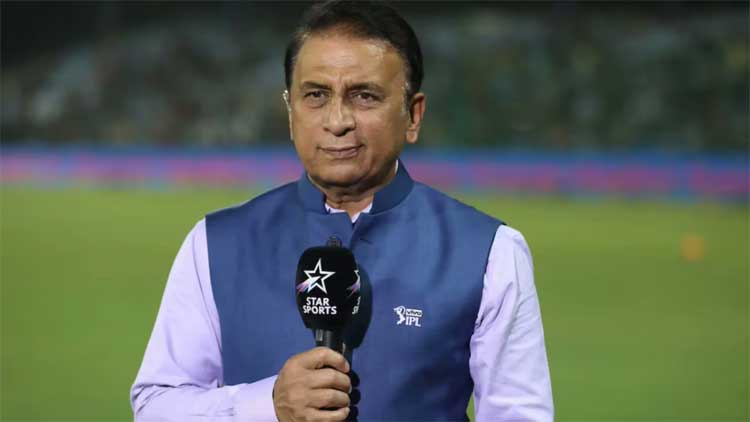
The Indian Premier League continues to grow in popularity every season, but one persistent issue remains: the ever-increasing duration of matches.
The T20 format was originally designed to wrap up within three hours, yet IPL games routinely overshoot that mark. For instance, a 2026 clash between the Mumbai Indians and Royal Challengers Bengaluru stretched to a staggering four hours and 22 minutes—even without a Super Over.
Despite existing slow over-rate penalties, matches still regularly extend beyond three and a half hours. Former India captain Sunil Gavaskar has now called on the Board of Control for Cricket in India to take stricter control and eliminate what he describes as a growing “laxity” in match management.
In his column for Mid-Day, Gavaskar criticised the unnecessary presence of reserve players and support staff on the field during play. He argued that only a minimal number of individuals—specifically two reserve players carrying drinks and two members of the coaching staff—should be allowed on the ground during strategic time-outs. Anything beyond that, he suggested, compromises the sanctity of the playing area.
Invoking advice from legendary commentator Richie Benaud, Gavaskar stressed that the field should remain exclusive to players and officials. He also urged stricter enforcement to ensure even accredited officials and committee members stay off the field unless absolutely necessary.
Another key suggestion from Gavaskar was reducing the wicket interval from two minutes to one. With batters now waiting in the dugout instead of dressing rooms, he believes there is little justification for longer delays. He also proposed tighter enforcement of the strategic time-out duration, recommending that play resume exactly two minutes and 30 seconds after the break begins.
Importantly, Gavaskar emphasised that financial penalties alone are ineffective in today’s high-stakes IPL environment. Instead, he advocated for in-game consequences—such as run penalties or points deductions—that directly impact match outcomes. According to him, only such measures can curb time-wasting and ensure matches stay crisp and engaging.
His message is clear: the IPL remains a world-class tournament, but tightening operational discipline could make it even sharper, faster, and more compelling for fans worldwide.
Comments are closed.