
Six Things to Know Before Booking an In-Salon Skin Treatment

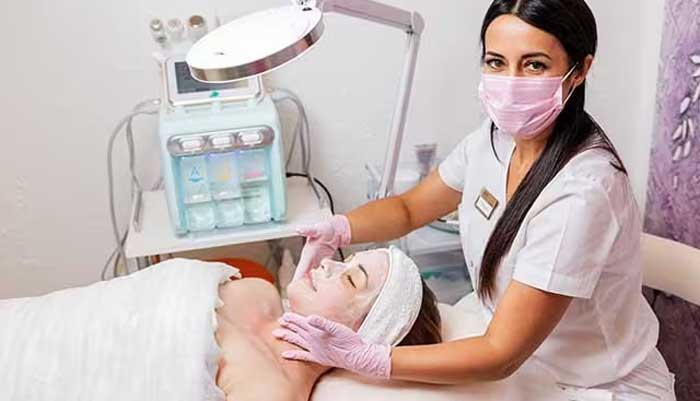
Taking care of your skin doesn’t end with a nighttime routine. When concerns become more pronounced, in-salon or in-clinic treatments may be the next step. But knowing when to start, what to choose, and when to pause is just as important as the treatment itself.
To help decode professional skincare, we spoke to Sita Thapa, Beauty Expert at Sinh Salon, Khan Market, about what clients should know before investing in in-salon treatments.
Here are six essential insights to guide your skincare journey.
1. How Often Should You Get In-Salon Treatments?
Most people benefit from professional treatments every 4 to 6 weeks, in sync with the skin’s natural renewal cycle.
-
Younger or normal skin types may need lighter facials every 6 to 8 weeks.
-
Acne-prone, pigmented, or mature skin often benefits from more regular care.
As we age, collagen production slows and repair time increases. This means treatments may be spaced out slightly but become more targeted—focusing on hydration, repair, and stimulation rather than frequent aggressive procedures.
2. Signs Your Skin Is Being Over-Treated
Overdoing treatments can weaken your skin barrier. Warning signs include:
-
Persistent redness
-
Burning or stinging
-
Excessive dryness
-
Increased sensitivity
-
Sudden breakouts
-
Tight, itchy, or reactive skin
If your skin looks shiny but feels uncomfortable, it’s time to pause. Healthy skin should feel calm, balanced, and resilient—not stressed.
3. When Should You Move Beyond Basic Facials?
Basic facials, combined with the right home routine, can address most skin concerns. You may consider advanced treatments only if you have:
-
Stubborn pigmentation
-
Deep texture issues
-
Noticeable signs of ageing
However, clinical procedures are not always necessary and don’t guarantee results for every skin type. Many clients see excellent results through progressive salon treatments that strengthen the skin barrier and improve hydration.
4. Understanding Peels, Lasers, and Microneedling
Procedures like chemical peels, lasers, and microneedling can help with specific medical or corrective concerns when performed in clinical settings.
However, Thapa emphasises a gentler philosophy: preserving and strengthening the skin rather than stripping it.
Non-invasive treatments that improve circulation, hydration, and oxygenation can deliver long-term benefits—especially for sensitive or reactive skin—without harsh chemicals or aggressive techniques.
5. How Professionals Assess Skin Health
Skin health isn’t judged by appearance alone. Experts evaluate:
-
Hydration levels
-
Elasticity and muscle tone
-
Circulation
-
Product absorption
-
Congestion
-
Sensitivity
Through consultation and hands-on assessment, treatments are customised to suit your skin’s real condition beneath the surface.
6. Glow vs Long-Term Skin Health: Know the Difference
A short-term glow usually means temporary brightness that fades within days. It often comes from heavy exfoliation or stimulation that may weaken the skin barrier over time.
Long-term skin health, on the other hand, shows up as:
-
Balanced hydration
-
Reduced sensitivity
-
Improved texture
-
Stronger resilience
-
Consistent, natural radiance
True results build gradually and last longer.
The Bottom Line
Professional skincare works best when it’s consistent, personalised, and gentle. Instead of chasing instant glow, focus on strengthening your skin over time with expert guidance and the right home-care routine.
Your skin doesn’t need more treatments—it needs the right ones.
Comments are closed.