
Russia, Ukraine trade Black Sea port strikes as grain supply fears grow

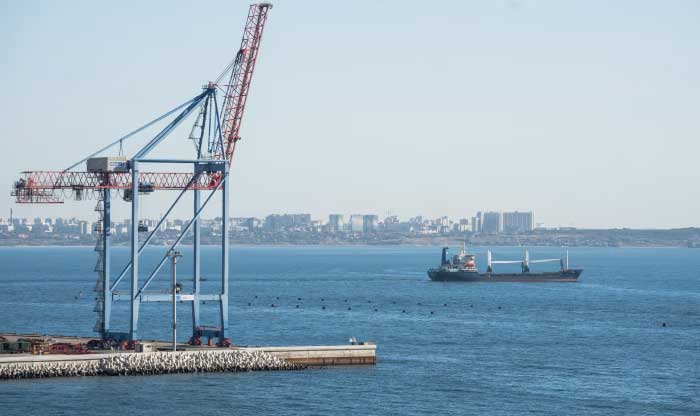
Russia on Wednesday warned that escalating attacks on grain and agricultural infrastructure could worsen global food shortages and push up food prices, as Moscow and Kyiv traded strikes on key ports and export facilities around the Black Sea.
Russian Foreign Ministry spokeswoman Maria Zakharova accused Ukraine of attempting to disrupt global food markets following a wave of Ukrainian strikes on Russia’s Black Sea port of Novorossiysk. The attacks reportedly killed three people, including a child, and forced major grain terminals to suspend operations.
Zakharova said the strikes were aggravating shortages of grain and fertilisers while placing additional pressure on countries in the Global South and East.
Ukraine has intensified attacks this summer on Russian economic infrastructure that Kyiv says supports Moscow’s war effort, including facilities involved in agricultural exports.
Hours after Moscow’s accusations, Ukrainian authorities said Russian forces struck the Izmail port area in the southern Odesa region overnight, causing damage and fires. Izmail, located near Ukraine’s border with Romania, is Ukraine’s largest Danube port and handles grain and other commodities.
The port has assumed greater importance for Ukrainian exports since Russia’s invasion disrupted the country’s traditional Black Sea shipping routes.
The latest escalation has renewed concerns over disruptions to global grain supplies. Ukraine’s agriculture ministry said grain shipments fell 76% during the first two weeks of August compared with the same period last year.
Grain futures also rose sharply on Wednesday following the strikes on Novorossiysk, reflecting growing market concerns over the security of supplies.
Russia is the world’s largest wheat exporter, while Ukraine remains a major supplier of grain to international markets. Russian attacks on Ukrainian ships and port infrastructure have already significantly curtailed Ukraine’s maritime grain exports.
Further attacks on ports and agricultural infrastructure could disrupt supplies from both countries, potentially pushing up food prices and increasing pressure on import-dependent nations.
Comments are closed.