
Psyllium Husk Benefits Explained: How Isabgol Supports Digestion, Cholesterol Control and Overall Health

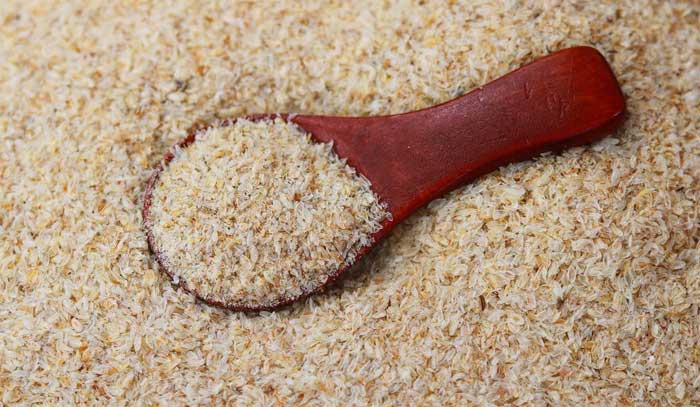
Psyllium, commonly known in India as Isabgol, is derived from the husks of Plantago ovata seeds and is widely recognised as a natural source of soluble fibre. Often used as an over-the-counter laxative (sold as ispaghula husk or products like Fybogel), psyllium has long been valued for its digestive benefits. According to a Healthline report, emerging research also suggests that it may support heart and pancreatic health.
Health benefits of psyllium
Psyllium acts as a bulk-forming laxative, absorbing water in the gut and helping stool pass more easily. This makes it particularly useful for relieving constipation and reducing the risk of related complications such as hemorrhoids and anal fissures.
Research also indicates that soluble fibre supplements like psyllium may support cholesterol management. A 2017 review found that consuming 6–15 grams of fiber per day could lower LDL (“bad”) cholesterol by up to 24%, and total cholesterol by up to 20%.
Why this matters
As the American Heart Association warns, high cholesterol increases the risk of several serious — and potentially life-threatening — conditions, including:
-
Heart disease
-
Diabetes
-
Coronary artery disease
-
Hypertension
-
Heart attack
-
Stroke
Role in blood sugar control
Some studies have suggested that soluble fibres such as psyllium may help promote healthier glycemic control. However, the U.S. Food and Drug Administration (FDA) notes that current evidence is not sufficient to recommend psyllium specifically for diabetes management.
Psyllium remains a widely used natural supplement with well-established digestive benefits and promising potential in heart health — but like all supplements, it should be taken responsibly and ideally under medical guidance.
Comments are closed.