
President Murmu clears anti-cheating law; exam fraud now punishable with up to 10 years in jail

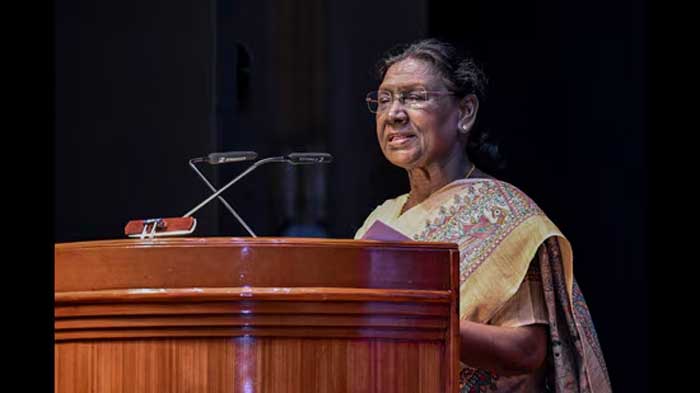
President Droupadi Murmu has given her assent to the Public Examinations (Prevention of Unfair Means) Amendment Act, 2026, significantly increasing the punishment for cheating and organised malpractice in public examinations.
The amended law, published in the official gazette, revises Section 10 of the 2024 Act by raising the minimum jail term from three years to five years, while increasing the maximum sentence from five years to 10 years. It also hikes the maximum fine from ₹10 lakh to ₹50 lakh.
The legislation was passed by the Lok Sabha on July 29 through a voice vote amid repeated disruptions, with little debate on its provisions. Opposition members had protested over the alleged police action against students demonstrating against the NEET paper leak, overshadowing discussions on the Bill.
Leader of the Opposition Rahul Gandhi criticised the legislation, calling it “not even a band-aid” for an education system that requires “surgery” rather than stricter punishment alone.
Trinamool Congress MP Derek O’Brien also objected to the manner in which the Bill was passed, accusing the government of pushing through important legislation without adequate parliamentary debate.
Responding to the criticism, Union Minister Jitendra Singh defended the amendments, saying they were necessary to strengthen the 2024 law in the wake of repeated recruitment and entrance exam paper leaks. He told Parliament that 52 FIRs had been registered under the existing Act and claimed student suicides linked to examinations had declined since the law came into force.
With the President’s assent, the amended provisions take immediate effect, doubling the maximum prison term and increasing the maximum financial penalty fivefold.
While the government argues the tougher law will act as a stronger deterrent against organised cheating rackets, the opposition maintains that harsher punishments alone cannot address deeper structural flaws in the examination system.
Comments are closed.