
Oil Prices Rise as Trump Threatens Iran Sanctions, Raising Supply Concerns

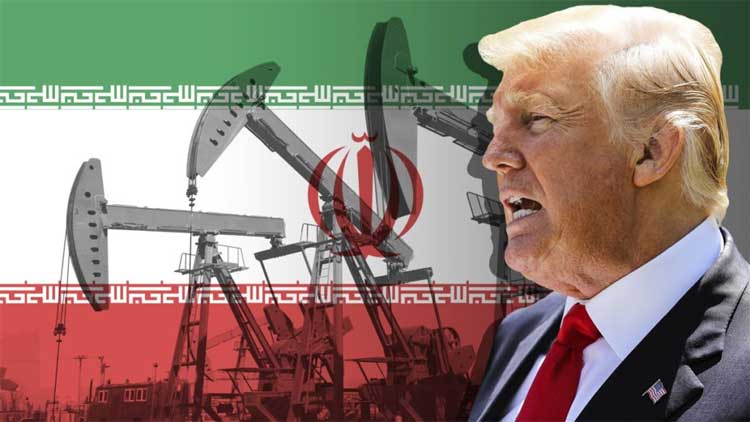
International and US crude oil prices rose on Friday after US President Donald Trump threatened economic sanctions against Iran’s trading partners, fueling concerns that global oil supplies could tighten further in the coming weeks.
Brent crude futures settled 61 cents, or 0.65%, higher at $94.39 a barrel, while US West Texas Intermediate (WTI) crude gained 23 cents, or 0.26%, to settle at $87.06.
Brent has risen 6.39% this week, while WTI is up 5.66%. Both benchmarks reached their highest levels since July 24 in the previous session.
Analysts said the threat of tougher US sanctions could further restrict Iranian oil exports and increase tensions around the Strait of Hormuz, a key global energy route.
“Sanctions have been the only thing to bring Iran to heel,” said John Kilduff, a partner at Again Capital.
Iran warned Friday that any new US threats would trigger a “devastating” response after Washington pledged to impose its toughest-ever financial penalties in an effort to pressure Iran’s leadership.
The immediate impact on global supply could be limited because Iranian exports are already heavily restricted, said Crispus Nyaga, a research analyst at Empire FX. However, he warned that further sanctions could increase shipping disruptions and retaliation at a time when traffic through the Strait of Hormuz remains well below normal levels.
Analysts also noted that alternative sources of supply are helping offset some of the disruption. Phil Flynn, senior analyst at Price Futures Group, said pipelines, US shale production, Venezuela, the United Arab Emirates and other supply routes were adding barrels to the market despite continued problems in Hormuz.
Oil prices have also been supported by concerns over reduced production and exports from major producers including Saudi Arabia, Iraq, the UAE and Kuwait.
A previous peace agreement between the US and Iran expired this week without either side making efforts to resume negotiations. Iranian crude shipments to Chinese buyers have also declined as the US blockade disrupts exports, according to trade sources.
Strait of Hormuz Disruptions Continue
Only seven commodity ships passed through the Strait of Hormuz on Thursday, half the number recorded a day earlier, according to ship-tracking data from Kpler.
Before US-Israeli attacks on Iran began in late February, the waterway carried roughly one-fifth of global oil and liquefied natural gas supplies. As the conflict approaches its six-month mark, disruptions to energy flows through the strategically important route continue.
Separately, Ukrainian forces struck a Russian oil refinery in Perm overnight, more than 1,600 km (1,000 miles) from Ukraine’s border, Ukrainian President Volodymyr Zelensky said Friday.
Comments are closed, but trackbacks and pingbacks are open.