
Nutritionist recommends 5 foods for fatty liver, from blueberries and black coffee to amla

Fatty liver disease is increasingly being described as a silent epidemic due to its rising prevalence and low awareness. A study published in The Lancet Regional Health – Southeast Asia in February 2026 reported that nearly 40 per cent of participants in the Phenome India-CSIR Health Cohort may be affected by metabolic-dysfunction-associated steatotic liver disease (MASLD).
The findings suggest that roughly four in ten adults could be living with fatty liver linked to metabolic factors such as obesity and diabetes rather than alcohol consumption — often without noticeable symptoms. Health experts warn that if left unmanaged, the condition can progress to serious complications, including liver fibrosis and, in advanced cases, liver cancer.
Dietary changes are widely regarded as one of the most effective ways to manage and potentially reverse fatty liver. Nutritionist Deepshikha Jain, a UK-trained public health nutrition specialist and national diabetes educator, recently highlighted several foods and habits that may support liver health and reduce inflammation.
Foods that may help support liver health
1. Black coffee
Black coffee contains caffeine, which research has associated with a reduced risk of liver disease progression. Regular, moderate consumption has been linked to protective effects on the liver.
2. Blueberries
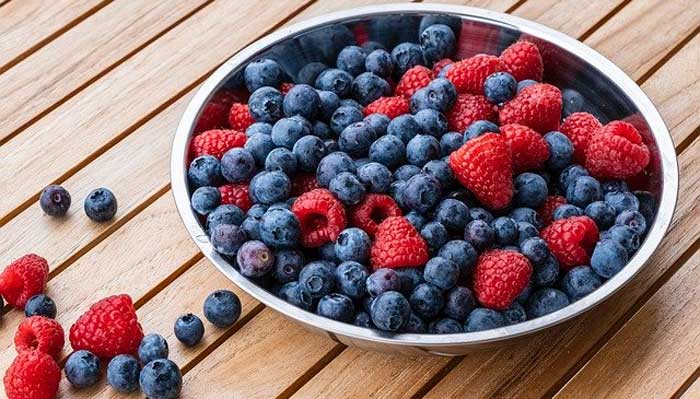
Blueberries are rich in anthocyanins — compounds known for their anti-inflammatory and antioxidant properties. These may help lower inflammation in liver cells and support overall liver function.
3. Amla (Indian gooseberry)
Amla is a traditional superfruit packed with vitamin C and antioxidants. It may help reduce oxidative stress, a key factor implicated in fatty liver development.
4. Avocado
Avocados contain glutathione and healthy fats, both of which are believed to aid liver function and cellular repair while supporting metabolic health.
5. Turmeric with black pepper
Turmeric provides curcumin, a potent anti-inflammatory compound. Black pepper enhances curcumin absorption, making the combination particularly beneficial for reducing inflammation.
Experts emphasise that while these foods may support liver health, long-term management of fatty liver typically requires a broader lifestyle approach, including balanced nutrition, physical activity, weight management, and medical guidance where necessary.
Comments are closed.