
NTA sacks 47 officials amid exam reform drive; Cabinet clears tougher paper leak law with ₹10 crore fine

The National Testing Agency (NTA) has dismissed 47 officials in a major restructuring exercise as the examination body faces continued scrutiny over paper leak controversies. The move is part of a wider reform initiative, with more corrective measures expected in the coming days.
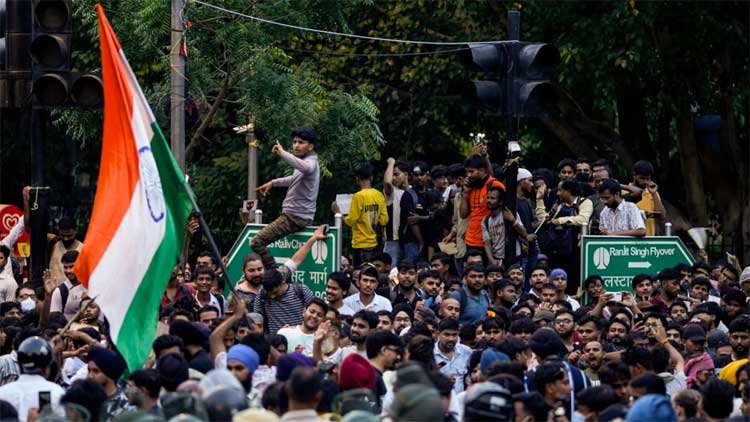
The action comes amid the ongoing protest by the Cockroach Janta Party (CJP) at Delhi’s Jantar Mantar, where demonstrators are demanding the resignation of Union Education Minister Dharmendra Pradhan over the NEET paper leak row.
In addition to the dismissals, legal and criminal proceedings are expected to be initiated against several officials.
According to information shared by the Education Ministry in the Rajya Sabha on July 22, the NTA currently has only 24 permanent employees against a sanctioned strength of 39 posts. The agency has been operating with the support of 73 contractual staff and 124 outsourced personnel.
Despite staffing shortages, the agency’s finances have expanded significantly. Its income rose from ₹504.16 crore in 2019-20 to ₹1,116.84 crore in 2023-24, a growth of 121.5%, while expenditure increased from ₹440.20 crore to ₹1,040.96 crore during the same period.
Cabinet clears stricter anti-paper leak bill
In a parallel move, the Union Cabinet on Friday approved a draft bill proposing tougher punishments for paper leaks by amending the Public Examinations (Prevention of Unfair Means) Act, 2024.
The proposed amendments introduce a minimum jail term of five years for those convicted of paper leaks along with a monetary penalty. In cases involving organised paper leak syndicates, the punishment could extend to 10 years in prison and a maximum fine of ₹10 crore.
Under the current law, individuals involved in paper leaks face imprisonment of three to five years, while members of organised cheating networks can be jailed for five to 10 years and fined at least ₹1 crore.
The government said the amendments are aimed at dismantling organised paper leak rackets and institutions that profit from examination fraud, while ensuring that candidates are not penalised.
The existing law covers recruitment examinations such as UPSC and SSC, as well as entrance tests including NEET, JEE and CUET, with the objective of preventing paper leaks, organised cheating and other unfair examination practices.
Comments are closed.