
Jamun Seeds: A Natural Aid for Blood Sugar Control and Diabetes Management

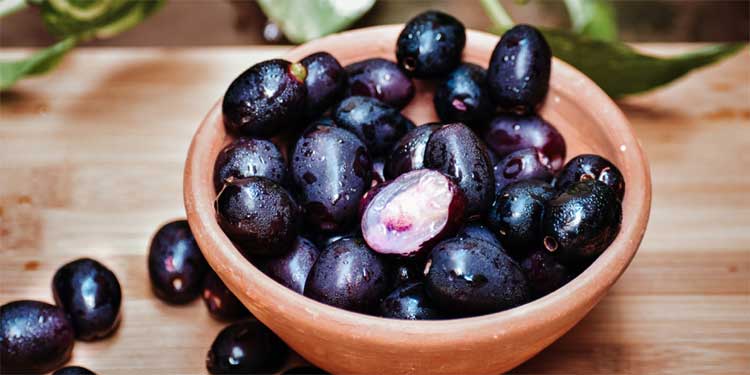
While most people enjoy jamun (Indian blackberry) and discard the seeds, traditional medicine regards these seeds as the most valuable part of the fruit.
Used for generations in Ayurveda, jamun seed powder is believed to help manage fluctuating blood sugar levels, sugar cravings, frequent urination, and low energy. In Ayurvedic terms, diabetes is referred to as Madhumeda, a condition linked to excess sugar and metabolic imbalance, and jamun seeds are thought to address the root cause. When used consistently, jamun seed powder may support better sugar control, metabolism, and overall management of diabetic symptoms.
How Jamun Seeds Help Lower Blood Sugar
Ayurveda expert Dimple Jangda explains that jamun seeds contain bioactive compounds such as jambulene and jambosine, which slow down the conversion of starch into sugar, helping prevent sudden blood glucose spikes.
Jamun seed powder also improves insulin sensitivity and supports pancreatic beta-cell health, enabling the body to utilize glucose more effectively. From an Ayurvedic perspective, it balances Kapha and Pitta doshas, which are often aggravated in people with diabetes, thereby reducing classic Madhumeda symptoms.
High Fiber Content Slows Sugar Absorption
Jamun is naturally rich in dietary fiber, essential for regulating blood sugar. According to USDA data, one cup of raw jamun contains nearly 8 grams of fiber. Fiber slows sugar absorption into the bloodstream, preventing sharp post-meal spikes. “This slower absorption also helps reduce hunger, sugar cravings, and overeating, common challenges for people with diabetes,” Jangda notes.
Clinical Evidence on Jamun Seed Powder
The benefits of jamun seeds are supported by research:
-
Animal studies: A study in Molecules found that animals given 200–400 mg of kala jamun seed powder showed a 65% reduction in serum glucose levels, along with a 26–44% increase in insulin levels and improved antioxidant activity.
-
Human studies:
-
Consuming 5 grams of jamun seed powder twice daily for 90 days significantly reduced blood glucose in 99 participants with type 2 diabetes.
-
Another trial showed that 2 grams of roasted jamun seed powder daily for 60 days lowered fasting blood sugar.
-
Extracts were also found to improve lipid profiles, reduce inflammatory markers such as TNF-α, and protect organs from oxidative stress.
-
Additional Benefits
Ayurvedic practitioners recommend jamun for overall metabolic health as well. Jangda highlights that jamun may help:
-
Boost metabolism and support immunity
-
Reduce excessive thirst and frequent urination
-
Aid weight management by controlling appetite and sugar cravings
How to Use Jamun Seeds for Diabetes
Jamun seeds can be consumed in several ways:
Fresh fruit: Eat with a pinch of pink salt to balance the astringent taste.
Jamun seed powder (more effective for long-term use):
-
Collect and wash the seeds.
-
Sun-dry them for 3–5 days until the outer layer peels off.
-
Remove the peel and dry the inner seed for another 2–3 days.
-
Grind into a fine powder and store in an airtight container. Refrigerated, it can last up to a year.
Dosage: Take half a teaspoon daily, either mixed with warm water on an empty stomach or sprinkled over fruits, salads, soups, or vegetables.
Regular use of jamun seed powder may help:
-
Prevent sugar spikes
-
Improve insulin sensitivity
-
Reduce excessive thirst and urination
-
Support management of both type 1 and type 2 diabetes
Jamun seeds offer a natural, Ayurvedic approach to supporting blood sugar control and overall metabolic health.
Comments are closed.