
India Condemns Houthi Attacks On Riyadh Airport After Indian National Killed

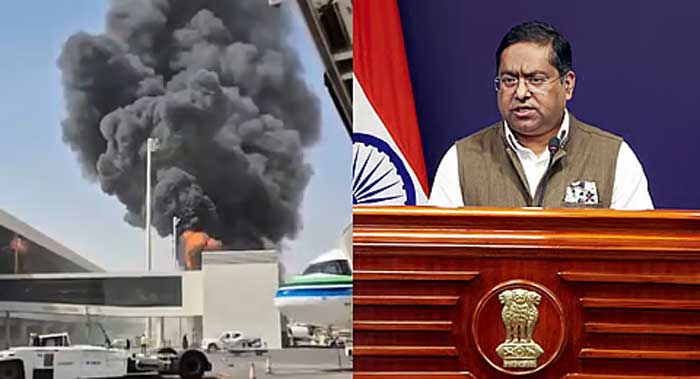
India on Sunday strongly condemned repeated attacks on King Khalid International Airport in Saudi Arabia’s capital, Riyadh, including the latest strike that killed 13 people, among them an Indian national. New Delhi called for an immediate end to attacks targeting civilians and civilian infrastructure across the region.
Initial reports following Saturday’s attack on the airport said 12 people were killed and 309 injured. However, the Indian Embassy in Riyadh confirmed late Sunday that one of the 11 Indian nationals injured in the strike had succumbed to his injuries, taking the reported death toll to 13.
“Deeply grieved at the loss of life of an Indian national in the Riyadh attack. My heartfelt condolences to the bereaved family. The Embassy will extend all possible assistance,” External Affairs Minister S Jaishankar said in a post on social media.
India Stands In Solidarity With Saudi Arabia
The Ministry of External Affairs (MEA) strongly condemned the repeated attacks on the Saudi capital’s airport amid an escalation in hostilities across West Asia.
“We strongly condemn the repeated attacks on Riyadh’s King Khalid International Airport over the past few days, including the dastardly attack on October 10, which have led to loss of lives, injuries and damage to property,” the ministry said in a statement.
India expressed solidarity with Saudi Arabia in defending its sovereignty and called for peace and stability to return to the region.
“We stand in solidarity with the people and the government of the Kingdom of Saudi Arabia in defence of their sovereignty, and hope that peace and normalcy returns to the region at the earliest,” the statement added.
The MEA described repeated attacks on civilians and civilian infrastructure as “completely unacceptable” and said they must stop immediately. It also conveyed condolences to the families of those killed and wished the injured a speedy recovery.
The Indian Embassy in Riyadh said it was coordinating with Saudi authorities to ensure the well-being of injured Indian nationals and provide necessary assistance.
13 Killed In Riyadh Airport Attack
Saturday’s strike was reported to have killed 13 people, including four Saudi nationals, two Bangladeshis and one national each from India, Egypt, Jordan, Palestine, Syria, Sudan and the United States, according to Saudi civil aviation authorities.
The attack was described in reports as the deadliest in Saudi Arabia in more than a decade. It also marked the third attack on King Khalid International Airport within a week.
Two earlier strikes on the airport reportedly killed four people and caused extensive damage to a Saudi commercial aircraft, raising concerns about the security of critical infrastructure in the kingdom.
The repeated attacks have exposed vulnerabilities in Saudi Arabia’s defences as the country intensifies its military campaign against Houthi rebels in Yemen.
West Asia Conflict Puts Indian Nationals At Risk
The latest death adds to the toll of Indian nationals killed in the expanding conflict across West Asia, which began in February. Nearly 20 Indians had reportedly died in the conflict by Sunday.
Saudi Arabia is home to more than four million Indians, making it one of the largest destinations for the Indian diaspora in the region. The safety of Indian citizens remains a key concern for New Delhi as hostilities spread and attacks increasingly threaten civilian areas and infrastructure.
India has called for an immediate cessation of attacks on civilians and civilian facilities, while continuing to coordinate with regional authorities to assist affected Indian nationals.
Saudi Arabia-Houthi Conflict Intensifies
The latest airport attacks come amid escalating hostilities involving Saudi Arabia and Iran-backed Houthi rebels in Yemen, with the conflict increasingly overlapping with the wider war in West Asia.
Saudi Arabia intervened in Yemen in 2015 at the head of a military coalition seeking to drive the Houthis out of the capital, Sanaa, and restore the internationally recognised government. The conflict resulted in widespread destruction, famine and hundreds of thousands of deaths, according to estimates linked to the humanitarian crisis.
A ceasefire reached in 2022 helped reduce fighting between Saudi Arabia and the Houthis, but tensions intensified again this summer. The renewed hostilities culminated in a Houthi advance that reportedly wrested control of the strategic Bab el-Mandeb Strait area from Saudi-backed government forces.
Meanwhile, US President Donald Trump said Washington was considering joining Saudi strikes against the Houthis. The escalation has raised concerns that the wider conflict involving Iran, the United States and Israel could further destabilise the region and threaten vital shipping routes and civilian infrastructure.
Comments are closed, but trackbacks and pingbacks are open.