
IEA Chief Warns Prolonged Hormuz Disruption Threatens Global Energy Security

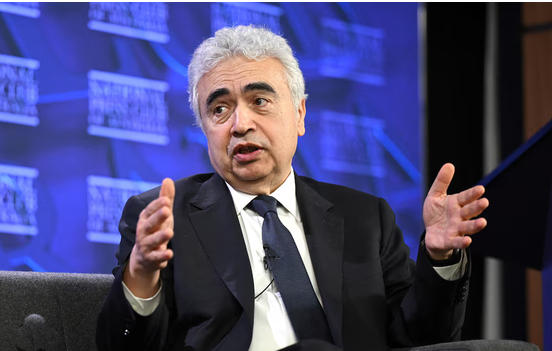
The head of the International Energy Agency (IEA), Fatih Birol, has warned that global energy security could face growing risks if oil shipments through the Strait of Hormuz are not restored in the coming weeks.
Speaking at a Council on Foreign Relations event on Thursday, Birol said the ongoing disruption remains a serious concern. “Oil security is still a critical issue,” he said, adding that he would remain worried if the situation failed to improve within the next few weeks.
The Strait of Hormuz, the strategic waterway between Iran and Oman that typically carries around 20% of the world’s energy supplies, has remained largely blocked since fighting erupted on February 28 following US and Israeli strikes on Iran.
Although oil prices have surged, Birol noted that several factors have helped contain a more severe spike. China entered the conflict with oil reserves exceeding one billion barrels and has also reduced fuel demand through greater use of electric vehicles and expanded public transportation. In addition, the IEA coordinated the release of as much as 400 million barrels of emergency oil stocks to ease supply pressures.
However, Birol cautioned that these measures are temporary. He described the conflict involving Iran as the most severe energy disruption in history and stressed that emergency reserves cannot support markets indefinitely.
He also credited higher US oil production with helping stabilize global supplies. While the United States—the world’s largest producer of oil and natural gas—has significantly increased output, Birol said there are practical limits to how much additional production can be brought online. “The US increased 1 million, 2 million but it cannot increase 10 million” barrels per day, he said.
According to Birol, the energy crisis has affected countries unevenly, with Asia bearing the greatest burden because 80% to 90% of the region’s oil imports typically pass through the Strait of Hormuz. While developed economies such as Japan and South Korea have been impacted, developing nations including India, Pakistan and Bangladesh have faced even greater challenges.
He also warned of growing public health concerns in lower-income countries, where soaring fuel costs have forced many households—particularly women—to rely on traditional fuels such as wood and animal dung for cooking, increasing exposure to harmful indoor air pollution.
Birol said the IEA’s coordinated release of emergency reserves helped bring oil prices down by roughly $20 per barrel after March’s intervention. He added that the move reassured markets that additional supplies remain available if conditions deteriorate further. Although up to 400 million barrels were released, he noted that the action used only about one-fifth of the agency’s emergency stockpiles, leaving roughly 80% in reserve for future crises.
Comments are closed, but trackbacks and pingbacks are open.