
Hepatitis: Causes, Symptoms, Prevention and Treatment Explained by Expert

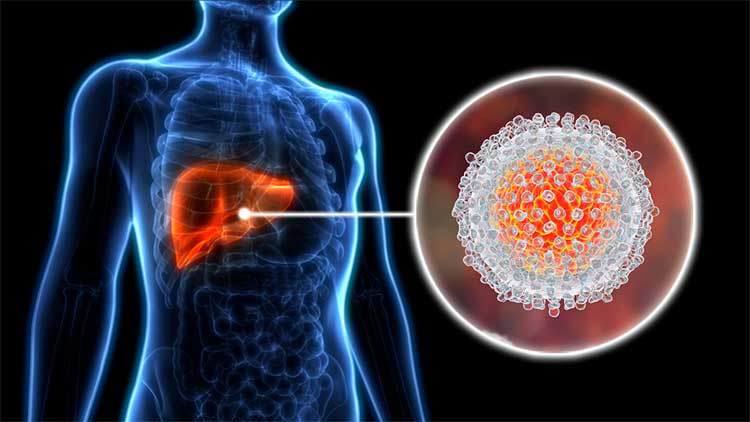
Hepatitis is a condition marked by inflammation of the liver, potentially leading to serious liver damage if left untreated. It can arise due to several causes, including viral infections, alcohol abuse, autoimmune disorders, and drug toxicity.
In a conversation with HT Lifestyle, Dr. Ramesh Garg, Senior Director and HOD, Gastroenterology at Fortis Shalimar Bagh, shed light on the key symptoms, causes, and ways to prevent this common yet serious condition.
Common Symptoms of Hepatitis
According to Dr. Garg, hepatitis typically presents with:
-
Fatigue and loss of appetite
-
Nausea and vomiting
-
Abdominal pain, especially in the upper right quadrant
-
Fever
-
Dark-colored urine and pale or clay-colored stools
-
Jaundice (yellowing of the skin and eyes)
-
Joint pain, particularly in hepatitis B
What Causes Hepatitis?
Hepatitis can result from various factors:
Viral Hepatitis
-
Hepatitis A (HAV): Spread through contaminated food and water (fecal-oral route)
-
Hepatitis B (HBV): Transmitted via blood, sexual contact, or from mother to child at birth
-
Hepatitis C (HCV): Spread primarily through blood-to-blood contact, such as shared needles
-
Hepatitis D (HDV): Occurs only in people already infected with HBV
-
Hepatitis E (HEV): Spread via contaminated water, with heightened risk in pregnant women
Other Causes
-
Alcoholic hepatitis: Caused by chronic alcohol consumption
-
Drug-induced hepatitis: Certain medications, including paracetamol (acetaminophen) in the West and commonly used over-the-counter or herbal remedies in India
-
Autoimmune hepatitis: The body’s immune system mistakenly attacks liver cells
Prevention Tips
Dr. Garg recommends the following preventive measures:
-
Get vaccinated for Hepatitis A and B
-
Consume safe and hygienic food and water
-
Practice safe sex; use condoms
-
Avoid sharing needles, razors, or toothbrushes
-
Ensure blood used for transfusion is properly screened
-
Limit or avoid alcohol consumption
-
Undergo regular check-ups, especially if at high risk
Treatment Options
Treatment depends on the type and cause of hepatitis:
-
Hepatitis A & E: Generally self-limiting; requires rest and hydration
-
Hepatitis B: Antiviral medications like tenofovir and entecavir for chronic cases
-
Hepatitis C: Treated with direct-acting antiviral drugs (DAAs)
-
Hepatitis D: Limited options; may require a liver transplant in severe cases
-
Alcoholic hepatitis: Immediate cessation of alcohol, supportive care, and possibly corticosteroids
-
Autoimmune hepatitis: Managed with immunosuppressive medications
-
Drug-induced hepatitis: Discontinue the offending medication and seek medical care
Final Advice
Dr. Garg emphasizes avoiding self-medication, particularly with herbal or complementary alternative medicines (CAMs), which can also damage the liver. Any persistent symptoms should prompt immediate consultation with a gastroenterologist or hepatologist.
Comments are closed.