
Heatwaves to hit rural Africa hardest, with tens of millions facing extreme risk by 2100: Study

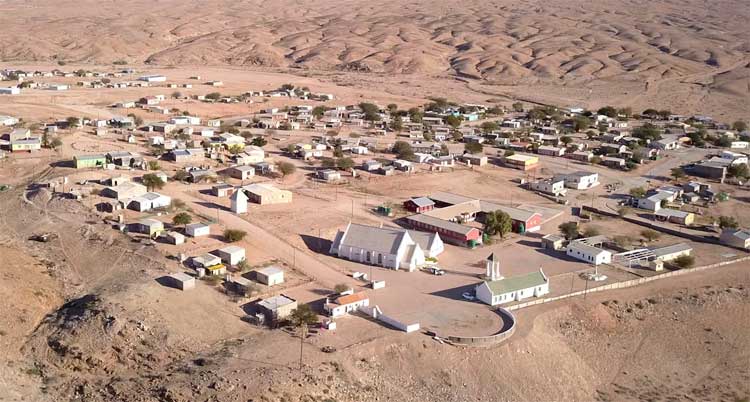
People often assume heatwaves hit cities the hardest, with concrete, traffic and industry trapping heat. But new research suggests the reality is more complex—and in many cases, more alarming for rural communities.
A team of climate scientists analysed 10 leading global climate models, adjusting them to better reflect real-world conditions. They then projected heatwave exposure for rural and urban populations separately, from 1979 to 2100, under two scenarios: one with meaningful cuts to emissions and another where fossil fuel use continues largely unchecked.
The findings challenge conventional thinking. Across much of Africa—and parts of South Asia including India, Pakistan and Bangladesh—rural populations already face heatwave exposure that matches or exceeds that of urban residents.
The study measured exposure using “person-days,” which combines how many people are affected with how many days they experience extreme heat. Even today, rural communities in Africa record between 20 and 1,000 person-days annually, compared to fewer than 20 in urban areas.
This gap is expected to widen. In south-east Africa, rural exposure could exceed 200 million person-days by the end of the century under a moderate emissions scenario—roughly double that of urban populations. Under a high-emissions future, the disparity becomes even starker, with rural communities bearing the overwhelming burden.
The reason is not just temperature—it’s vulnerability. While cities may be hotter, they often offer some relief through buildings, shade, healthcare and infrastructure. Rural populations, by contrast, are more exposed: farmers, herders and labourers must continue working outdoors, often without access to cooling, healthcare or early warning systems.
The research also highlights how population growth and climate change interact. In the near term, rising rural populations in already hot regions increase exposure. Over time, however, climate change becomes the dominant factor, intensifying heat to dangerous levels regardless of population trends.
Regions expected to be hardest hit include eastern, western and central Africa, where tens of millions could face repeated, prolonged heatwaves. Without action, these conditions could become a major public health crisis.
The study underscores the need for urgent and practical solutions: expanding early warning systems, improving rural healthcare, adjusting work hours to avoid peak heat, and increasing tree cover and shade in farming areas.
Ultimately, reducing greenhouse gas emissions remains critical. But equally important is recognising that heatwave risk is not just an urban issue. For millions in rural regions, extreme heat is already a daily reality—and a growing threat.
Comments are closed.