
Gut Health and Fibre: Why More Isn’t Always Better

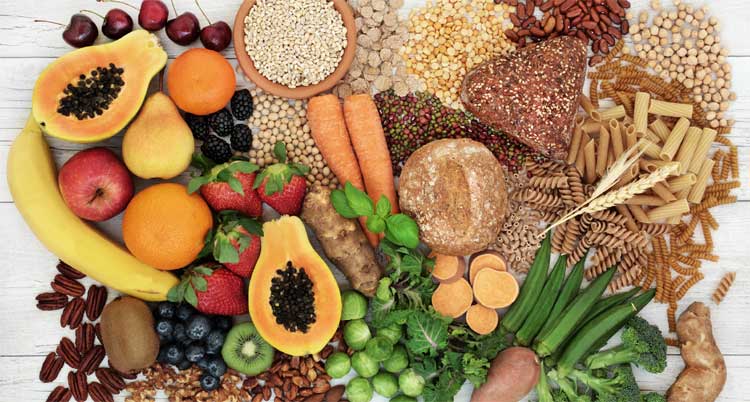
Good gut health has long been recognised as a cornerstone of overall well-being, with growing awareness of its role in everything from immunity to mental health. As a result, gut-friendly foods — especially those rich in fibre — have gained popularity. However, experts now caution that too much of even a good thing, like fibre, can do more harm than good.
In a conversation with HT Lifestyle, Dr Amarender Singh Puri, Vice Chairman of Gastroenterology and Gastrosciences at Medanta, Gurugram, emphasized the importance of striking a balance when it comes to fibre intake. “Fibre is essential for digestion, satiety, blood sugar regulation, and heart health,” he said, “but excess consumption — particularly without sufficient hydration — can backfire.”
Why the Fibre Frenzy Needs a Rethink
With clean eating trends and gut health taking center stage in recent years, many individuals are turning to raw salads and fibre supplements in pursuit of better health. But this well-meaning shift often leads to overconsumption, especially among those new to high-fibre diets or with pre-existing digestive conditions.
Dr Amarender noted, “Excess fibre — particularly over 40–45 grams per day — can cause bloating, constipation, diarrhoea, and even reduce nutrient absorption. This is especially problematic for people with sensitive guts or conditions like IBS or Crohn’s disease.”
The Right Way to Add Fibre to Your Diet
To reap the full benefits of fibre without discomfort, Dr Amarender shared a practical guide:
-
Go slow: Increase fibre gradually over a few weeks to allow your digestive system to adjust.
-
Stay hydrated: Drink 2.5 to 3 litres of water daily to help fibre move efficiently through the gut.
-
Mix fibre types: Include both soluble (like oats and fruits) and insoluble fibre (like vegetables and whole grains).
-
Listen to your gut: Reduce intake if symptoms like bloating or cramps arise; then slowly reintroduce.
-
Prioritise whole foods: Choose natural fibre sources over supplements when possible.
Indian Foods That Naturally Support Gut Health
You don’t need foreign ingredients to meet your fibre needs. Indian staples like dals, fruits, millets, seeds, and vegetables offer ample nourishment. Easily digestible options such as moong dal, homemade roti, and raw carrots are simple, effective choices to support digestive health.
Final Takeaway: Balance Is the Real Superpower
While fibre remains a vital part of a healthy diet, moderation is the key to harnessing its benefits without triggering digestive issues. As Dr Amarender summed up, “Let food be your fuel and medicine — not a source of overindulgence. With mindful consumption, fibre can truly support the gut without becoming a burden on it.”
Comments are closed.