FIFA rejects Reliance-Disney’s $20 million India bid for 2026 World Cup rights

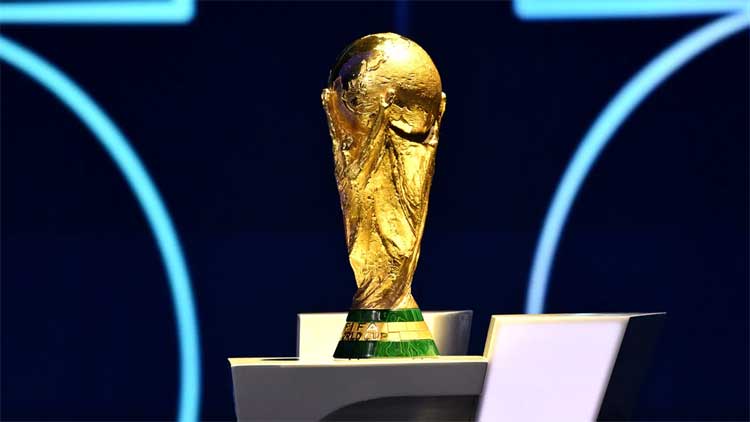
Millions of football fans in India could miss the 2026 FIFA World Cup after FIFA rejected a $20 million broadcast rights offer from the Reliance-Disney joint venture, setting up a high-stakes deadlock just weeks before the tournament begins.
According to a Reuters report, the bid fell well short of FIFA’s asking price for India, with negotiations still unresolved despite the tournament kicking off on June 11.
Sony also held discussions over the India rights but ultimately chose not to submit a bid, reportedly due to the steep valuation.
China, another major unresolved market, remains without a confirmed broadcaster as well.
In a statement to Reuters, FIFA said it has already concluded media rights agreements across more than 175 territories worldwide.
“Discussions in China and India regarding the sale of media rights for the FIFA World Cup 2026 are ongoing and must remain confidential at this stage,” the governing body said.
The lack of confirmed broadcast deals in India and China at this stage is highly unusual.
For previous World Cups, rights agreements were secured well in advance. In 2022, Reliance’s standalone media arm acquired India rights for around $60 million nearly 14 months before the Qatar tournament.
This time, FIFA had initially sought about $100 million for the combined 2026 and 2030 World Cup rights package for India before lowering expectations during negotiations.
Even then, Reliance-Disney’s reported $20 million offer was deemed too low.
The standoff reflects shifting market dynamics.
Reliance and Disney, now operating through a merged media powerhouse, reportedly believe the tournament’s North American scheduling will dampen Indian viewership, with most matches set to air past midnight IST.
That assessment appears to have shaped their aggressive valuation.
Still, India remains a strategically significant market.
The country accounted for 2.9% of global linear television reach during the 2022 World Cup, while India and China together contributed 22.6% of total global digital streaming reach.
China alone accounted for nearly half of all digital and social platform viewing hours globally during the 2022 tournament, according to FIFA.
With barely five weeks left before kickoff, the absence of agreements raises urgent questions over broadcast infrastructure, advertising sales and promotional rollout in two of football’s largest untapped markets.
Unless a deal is struck soon, fans in the world’s most populous nation may struggle to legally watch the biggest sporting event on the planet.
Comments are closed.