
Dermatologist Highlights Link Between Teenage Acne and Depression, Warns ‘Signs Should Not Be Ignored’

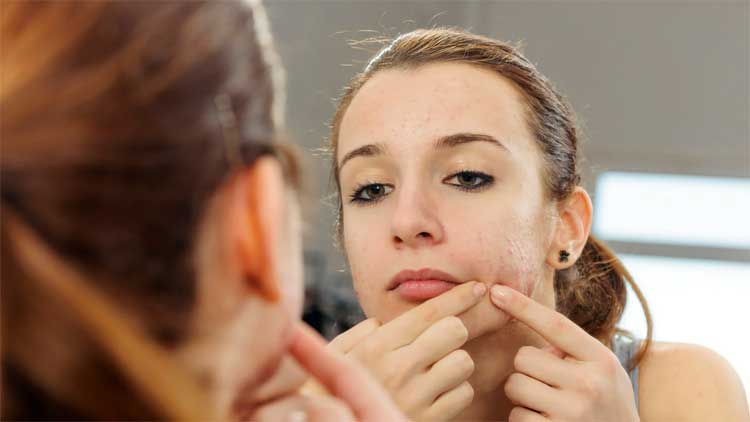
Acne is a common skin concern affecting people across age groups, but for teenagers, its impact often goes far beyond the surface. While adults gradually learn to manage breakouts, acne during adolescence can significantly affect self-image and emotional well-being, says dermatologist Dr Akriti Gupta.
“Teenagers usually think acne is just a skin problem. But its emotional weight quietly becomes much heavier,” Dr Gupta tells Health Shots. “Most teens don’t come to me only for pimples. They come because the breakouts are starting to affect how they see themselves.”
Acne and self-image issues
According to Dr Gupta, acne strikes during one of the most vulnerable phases of self-esteem. “These are the years when teenagers are forming their identity, confidence, and social standing. Breakouts can make them withdraw from activities, avoid eye contact, or skip school and social events altogether,” she explains.
The emotional impact often appears subtly—mood swings, irritability, loss of interest in hobbies, or an obsession with using filters. “Parents may dismiss this as typical teenage behaviour, but it often signals anxiety,” Dr Gupta notes. “When a teen spends an hour analysing every pore in the mirror, it’s rarely vanity.”
She also highlights a two-way link between acne and depression. “Acne can trigger depression, and depression can worsen acne through stress, hormonal changes, poor sleep, and inflammation. This creates a vicious cycle—stress leads to breakouts, and breakouts deepen stress.”
In her practice, Dr Gupta frequently hears teens say they avoid selfies, participate less in class, or feel ‘ugly’ compared to their peers. Social media further intensifies these feelings through unrealistic beauty standards and constant comparison. “The real problem isn’t acne itself—it’s the belief that acne makes them less worthy,” she says.
Treating acne in teenagers
Dr Gupta emphasises that timely treatment can break this cycle. “Dermatological treatments today are highly effective—from topical retinoids and gentle chemical exfoliants to hormonal therapies and targeted oral medications,” she explains.
She urges parents to acknowledge their child’s emotional distress rather than dismiss it. “Telling a teen to ‘ignore the pimples’ rarely helps. What works is validating their feelings and offering a clear treatment plan.”
Simple steps to manage teenage acne
Dr Gupta recommends the following steps:
-
Use a gentle cleanser twice daily to control oil without irritating the skin.
-
Apply topical retinoids at night to unclog pores and prevent new breakouts.
-
Use benzoyl peroxide or salicylic acid to reduce inflammation in active pimples.
-
Avoid picking or squeezing acne, which worsens marks and delays healing.
-
Consult a dermatologist early for hormonal, persistent, or scarring acne.
“Treating teen acne isn’t merely cosmetic—it’s mental healthcare,” Dr Gupta concludes. “Clear skin matters, but peace of mind matters more. When both are addressed together, teenagers heal faster, inside and out.”
Comments are closed.