
Delhi Curbs Imposed After CJP Violations, Based On Intelligence Inputs: Police To Supreme Court

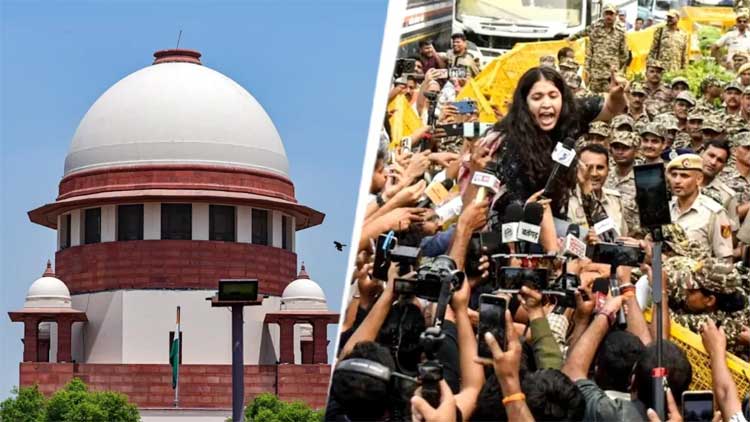
The Delhi Police has told the Supreme Court that restrictions imposed in the national capital following protests by the Cockroach Janta Party (CJP) were based on intelligence inputs and alleged violations of established rules by protesters.
The submission comes amid a controversy over police action against CJP leaders and supporters during demonstrations in Delhi. The group has been protesting against Chief Election Commissioner Gyanesh Kumar and raising allegations of electoral irregularities linked to the Special Intensive Revision (SIR) of electoral rolls.
The police have defended the restrictions as measures taken in response to intelligence assessments and concerns over the management of public demonstrations. The matter has drawn attention to the balance between maintaining public order and protecting the right to peaceful protest.
CJP Protests And Police Action
CJP leaders and supporters have staged demonstrations in Delhi, demanding accountability from the Election Commission and calling for the resignation of Chief Election Commissioner Gyanesh Kumar.
Some protests were met with police detentions and restrictions on movement, prompting criticism from opposition leaders and civil society representatives.
The developments have intensified the dispute between the authorities and the protest organisers, with questions being raised over the grounds for imposing restrictions and the treatment of detained demonstrators.
Public Order And Right To Protest
The police’s submission before the Supreme Court places the focus on the intelligence inputs cited to justify the curbs and the alleged violations attributed to CJP protesters.
The broader legal issue concerns how authorities can maintain public order while ensuring that restrictions on peaceful assembly remain lawful, necessary and proportionate.
The Supreme Court’s consideration of the matter could bring further scrutiny to the reasons cited by the police and the circumstances surrounding the restrictions.
Comments are closed, but trackbacks and pingbacks are open.