
COP31: World Leaders Face Growing Pressure to Turn Climate Promises Into Action as Global Warming Intensifies

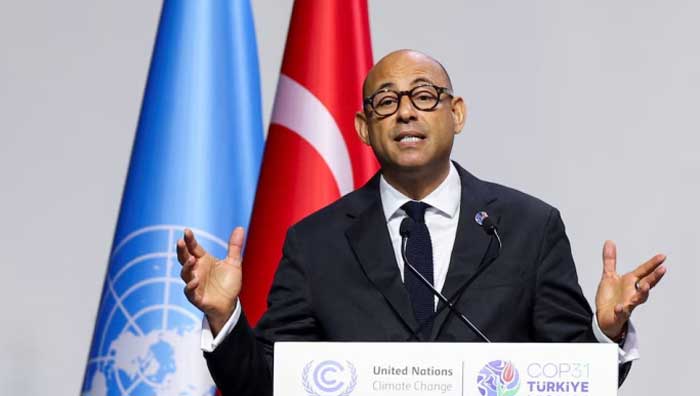
The global climate crisis is once again taking centre stage as world leaders, environmental campaigners and policymakers gather in Turkey for the 31st United Nations Climate Change Conference, COP31. Against a backdrop of worsening droughts, devastating floods, wildfires and rising global temperatures, the summit is expected to focus on how countries can turn long-standing climate commitments into meaningful action.
However, as governments prepare for two weeks of negotiations, protests and diplomatic discussions, questions are growing over whether the annual climate conferences can deliver the urgent changes needed to address global warming.
More than a decade after the landmark Paris Agreement was adopted at COP21 in 2015, countries are still struggling to meet their climate targets. The agreement committed nations to limiting global temperature increases to well below 2°C above pre-industrial levels while pursuing efforts to keep warming within 1.5°C.
Yet progress has remained slow. Recent United Nations assessments have warned that the world remains on course to exceed the 1.5°C threshold, raising concerns about the effectiveness of existing climate policies.
COP31: Why Is the Climate Summit Taking Place in Turkey?
The 31st Conference of the Parties to the United Nations Framework Convention on Climate Change, commonly known as COP31, is taking place in Antalya, Turkey, until November 20.
The conference has brought together government representatives, climate experts, business leaders, Indigenous communities and environmental organisations from around the world.
Thousands of delegates are expected to participate in discussions covering climate finance, renewable energy, fossil fuel dependence and support for countries most vulnerable to climate change.
As with previous COP meetings, the conference also provides a platform for environmental campaigners to demand stronger commitments from governments.
However, questions surrounding the participation of civil society groups and Indigenous representatives remain important. Campaigners have repeatedly argued that they need greater access to formal negotiations and decision-making spaces.
Their participation is particularly significant because Indigenous communities are often among the groups most directly affected by deforestation, extreme weather and environmental degradation.
Why Is COP31 Facing Questions Over Its Effectiveness?
Despite more than three decades of international climate negotiations, greenhouse gas emissions remain a major global challenge.
The Paris Agreement was designed to encourage countries to establish national climate targets and strengthen their commitments over time. However, translating those promises into effective domestic policies has proved difficult.
The COP negotiation process has also faced criticism for being complicated and slow.
One major obstacle is the requirement for decisions to be reached through consensus. This can make it difficult to secure ambitious agreements when countries have competing economic interests, particularly those heavily dependent on fossil fuel production.
Climate advocates argue that the world needs more than declarations and voluntary promises. They want governments to establish clear implementation plans, provide sufficient financial support and accelerate the transition towards cleaner energy.
What Are the Main Priorities at COP31?
Several major issues are expected to dominate this year’s negotiations.
1. A Just Transition Away From Fossil Fuels
One of the central priorities is the development of a just transition mechanism.
Moving away from coal, oil and natural gas is essential for reducing greenhouse gas emissions. However, the transition also creates economic challenges for workers, communities and countries dependent on fossil fuel industries.
A just transition aims to ensure that these groups are not abandoned as economies shift towards renewable energy.
The discussions will focus on employment opportunities, worker protection, social security and investment in cleaner industries.
2. Climate Finance for Developing Countries
Climate finance is another major issue at COP31.
Developing countries often face the greatest consequences of climate change despite having contributed comparatively less to historical greenhouse gas emissions.
Many of these nations lack the financial resources needed to build climate-resilient infrastructure, protect vulnerable communities and recover from extreme weather events.
Negotiators are expected to discuss ways to improve access to climate funding and ensure that financial commitments translate into practical assistance.
3. Renewable Energy and Electrification
Expanding renewable energy and accelerating electrification are also important priorities.
Countries are increasingly investing in electric vehicles, solar power, wind energy and modern electricity infrastructure to reduce dependence on fossil fuels.
Turkey and Australia are backing a proposed global electrification goal under which electricity would account for 35% of final energy consumption by 2035.
Supporters argue that electrification can improve energy efficiency while reducing emissions across transportation, industry and other sectors.
Brazil’s President Lula Expected to Play a Major Role
Brazilian President Luiz Inácio Lula da Silva is expected to be one of the prominent political figures associated with the COP31 discussions.
Brazil has been advocating a global transition away from fossil fuels and is expected to bring forward a roadmap outlining how countries can approach this process.
The proposed roadmap is intended to help governments understand the economic and political challenges involved in reducing fossil fuel consumption.
For example, countries that depend heavily on oil and gas revenues may face significant financial difficulties during the transition. Similarly, governments may need to reconsider fossil fuel subsidies that help lower energy costs for poorer households.
Although the roadmap does not establish a binding timetable for phasing out fossil fuels, it could provide an important framework for future climate policies.
Turkey and Australia Share Responsibilities for COP31
This year’s conference has an unusual leadership arrangement following disagreements between Turkey and Australia over hosting responsibilities.
Turkey is serving as the official host and is overseeing the conference’s action agenda, which includes voluntary initiatives and cooperation between governments, businesses and civil society organisations.
Australia is responsible for leading the formal negotiations.
The arrangement has attracted criticism because Australia remains a major fossil fuel producer, raising questions among environmental advocates about its role in overseeing discussions on climate finance and a just transition.
Both countries face pressure to demonstrate that COP31 can deliver meaningful progress despite their different economic interests and approaches to energy policy.
Can COP31 Deliver Meaningful Climate Action?
The success of COP31 will depend on whether governments can move beyond political statements and agree on practical measures.
Climate experts and campaigners are looking for progress in several areas, including:
- Stronger commitments to reduce greenhouse gas emissions.
- Greater investment in renewable energy.
- Improved access to climate finance for developing countries.
- Support for workers and communities affected by the fossil fuel transition.
- Clearer plans for implementing the Paris Agreement.
- International cooperation on electrification and clean technology.
Brazil’s proposed fossil fuel transition roadmap could become one of the most closely watched developments at the summit.
The conference will also test whether countries can overcome political disagreements and establish a stronger framework for implementing existing climate commitments.
Conclusion: The World Needs Action, Not Just Climate Promises
COP31 comes at a critical moment for international climate cooperation. Rising temperatures, extreme weather events and continued dependence on fossil fuels have increased pressure on governments to accelerate their climate policies.
While previous COP conferences have produced important international agreements, the biggest challenge remains turning those commitments into measurable results.
The discussions in Antalya will therefore be about more than diplomatic statements. They will test whether world leaders are prepared to make difficult economic and political decisions to protect the planet.
The message from climate campaigners is increasingly clear: the world does not need another collection of ambitious promises. It needs urgent, coordinated and measurable action.
Comments are closed, but trackbacks and pingbacks are open.