
Climate change is forcing Vanuatu to confront an unthinkable future

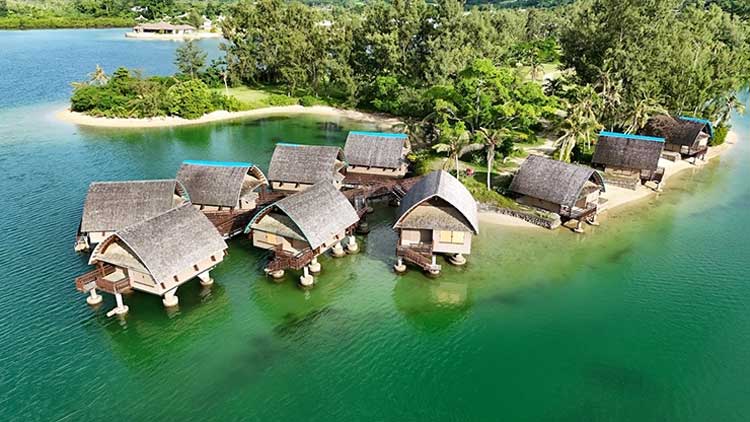
For generations, the people of Vanuatu have lived in close harmony with the ocean that surrounds their island nation. The Pacific waters have long been a source of livelihood, identity and cultural continuity. Today, however, that same ocean is becoming an existential threat.
Rising sea levels, stronger cyclones, coastal erosion and increasingly unpredictable weather patterns are forcing this small Pacific nation to confront a future few could have imagined: the possibility that entire communities may one day have to abandon their ancestral lands.
For Vanuatu, climate change is no longer a distant warning. It is a daily reality.
A nation on the frontline
Located in the South Pacific, Vanuatu is made up of around 80 islands, many of them low-lying and acutely vulnerable to climate shocks.
The country has repeatedly ranked among the world’s most disaster-prone nations, facing frequent tropical cyclones, volcanic activity and earthquakes. But climate change has dramatically intensified these natural vulnerabilities.
Sea-level rise is steadily swallowing coastlines. Saltwater intrusion is contaminating freshwater sources and farmland. Coral reef degradation is threatening fisheries that sustain local communities.
In many villages, the evidence is visible: homes damaged by repeated storms, shorelines receding year after year, and crops failing under erratic rainfall.
Communities already being displaced
Some communities in Vanuatu have already begun relocating inland or to other islands due to environmental pressures.
For residents, relocation is not simply about moving homes. It means leaving behind sacred lands, burial grounds and centuries of cultural connection tied to place.
The emotional toll is profound.
For many Indigenous ni-Vanuatu people, land is inseparable from identity. Losing it means more than physical displacement — it risks severing cultural memory and traditional ways of life.
The economic burden of survival
Climate change is placing immense strain on Vanuatu’s economy.
The island nation contributes almost nothing to global greenhouse gas emissions, yet it bears some of the harshest consequences.
Recovery from major storms often consumes a significant share of national resources, diverting funds away from education, healthcare and development.
Cyclone damage to infrastructure, agriculture and tourism has become increasingly costly, leaving the country in a near-constant cycle of rebuilding.
Taking the fight to the world stage
Rather than remaining silent, Vanuatu has emerged as one of the strongest global voices for climate justice.
The nation played a leading role in pushing for a landmark United Nations resolution seeking an advisory opinion from the International Court of Justice on countries’ legal obligations regarding climate change.
The move reflects growing frustration among vulnerable island nations that major emitters have failed to act with sufficient urgency.
Vanuatu has repeatedly called on wealthier nations to drastically cut emissions and increase climate financing for adaptation and loss-and-damage support.
An uncertain future
Scientists warn that without aggressive global action, Pacific island nations like Vanuatu could face increasingly severe displacement risks in the coming decades.
For many families, the question is no longer whether climate change will reshape their lives, but how soon.
The story of Vanuatu is not just about one island nation struggling to survive.
It is a stark warning for the rest of the world.
What is happening across its shores offers a glimpse of the future awaiting many coastal communities globally if climate action continues to fall short.
For Vanuatu, the fight is about preserving not only land, but history, culture and the right to remain home.
Comments are closed.