
Can COP17 in Mongolia deliver relief for the world’s drying lands?

Around 10,000 government negotiators, scientists, journalists and campaigners are expected to gather in Ulaanbaatar, Mongolia, from Monday for the 17th Conference of the Parties to the UN Convention to Combat Desertification (UNCCD), as worsening drought and land degradation become growing global concerns.
The summit comes as drought grips large parts of the Northern Hemisphere, damaging crops, pushing up food prices and reducing economic output. The UK has even convened an emergency Cobra meeting over extreme heat and drought — a mechanism more commonly associated with wars, terrorism, riots and pandemics.
With many developing countries facing more severe drought with fewer resources, COP17 will focus on how governments can prevent productive land from becoming degraded and strengthen resilience to a changing climate.
What is COP17?
COP17 is the 17th meeting of the parties to the UNCCD, which brings together 196 governments. The convention was established following the 1992 Rio Earth Summit alongside the UN’s climate and biodiversity conventions.
Unlike the climate COP, which meets annually, the UNCCD COP is held every two years.
What is desertification?
Desertification refers to the degradation of land in dry areas, making it increasingly difficult to grow crops or raise livestock.
Climate change can accelerate the process by increasing heat and drought, while human activities such as excessive irrigation can deplete groundwater and damage ecosystems.
The consequences can include food insecurity, poverty, health problems, forced migration and biodiversity loss. The UN estimates that around two-fifths of the world’s land is degraded and hundreds of millions of people live in areas affected by desertification.
How is it linked to climate change?
Rising temperatures and prolonged drought can kill vegetation and expose soil to erosion by wind and water. Once fertile topsoil is lost, vegetation becomes harder to restore and land can move towards desert-like conditions.
Land degradation also contributes to climate change because damaged soils and vegetation release carbon that was previously stored in ecosystems.
Restoring degraded land can therefore serve two purposes: helping communities adapt to climate impacts while also protecting carbon stored in soils and vegetation.
Key issue: A global drought initiative
One of the central negotiations at COP17 will be over the proposed international mechanism for tackling drought.
African countries have previously pushed for a legally binding drought protocol under the UNCCD. The US, European countries, Argentina and others have opposed that approach, arguing that negotiating a new protocol could be expensive and time-consuming and divert resources from practical action.
They favour a less legally binding framework.
The issue remained unresolved at the previous UNCCD COP in Riyadh and will return to the negotiating table in Ulaanbaatar.
Protecting rangelands and pastoralists
Governments will also negotiate policies aimed at protecting rangelands and pastoralist communities.
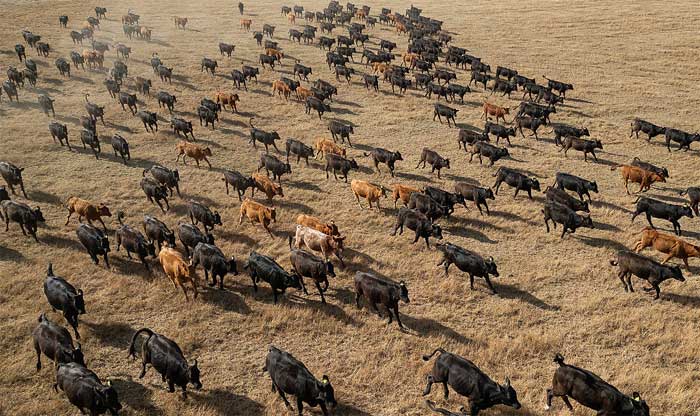
Rangelands cover roughly half of the planet’s land surface and support livestock and the communities that depend on them. Mongolia, the host country, has extensive rangelands and a large pastoralist population.
Mongolia successfully pushed for 2026 to be declared the International Year of Rangelands and Pastoralists and wants COP17 to give greater international attention to protecting these ecosystems.
Negotiators will also begin discussions on the UNCCD’s strategy beyond 2030, which is expected to be adopted at COP18 in 2028. Environmental groups are calling for stronger links between land restoration, biodiversity and sustainable food systems.
COP17 schedule
The summit will officially open on Monday, August 17, with an opening ceremony, government statements and adoption of the agenda.
Formal negotiations will continue for two weeks, largely behind closed doors, before the closing plenaries on Friday, August 28.
A high-level segment involving ministers and senior government officials will take place from August 24 to 26. Discussions are expected to focus on drought resilience, financing and pastoralist communities, with potential announcements on new funding during this period.
A government-civil society dialogue is also scheduled for August 24, giving local practitioners an opportunity to highlight efforts to restore degraded land.
What funding will be discussed?
At the previous COP, Saudi Arabia launched the Riyadh Global Drought Resilience Partnership, aimed at helping 80 vulnerable countries cope with drought. The initiative received pledges of around $12 billion, largely from Gulf-based development finance institutions.
Saudi Arabia is expected to report on progress in delivering those commitments and how the funding will reach affected communities.
There are also expectations of financial commitments to Mongolia’s Rangelands Flagship Initiative, which seeks to mobilise investment in projects aimed at reversing land degradation.
Who will lead COP17?
Mongolia’s Foreign Minister Battsetseg Batmunkh will preside over COP17, making the summit a woman-led UNCCD COP.
The meeting will also be the first COP for the UNCCD’s new executive director, Yasmin Fouad, who previously served as Egypt’s environment minister. Fouad is a scientist and a lead author of the Intergovernmental Panel on Climate Change’s special report on climate change and desertification.
Saudi Arabia, whose UNCCD presidency is ending, is expected to remain influential through its financial support and the initiatives launched at the Riyadh summit.
What are the negotiating dynamics?
UNCCD negotiations are divided among six main regional and political groups representing Africa, Asia, Latin America and the Caribbean, the Northern Mediterranean, Central and Eastern Europe, and developed donor countries.
Although differences between developed and developing countries remain, negotiations at UNCCD meetings are generally less confrontational than those at climate COPs.
Developing countries often negotiate collectively through the G77 and China, particularly on financing. Civil society groups and campaigners also participate, although their presence tends to be less confrontational than at climate summits.
What role will the US play?
Although the United States has withdrawn from the UN climate convention, it remains part of the UNCCD and is expected to send officials from its agriculture and state departments.
Washington is likely to oppose renewed efforts by African countries to establish a legally binding drought protocol, putting it on the opposite side of one of the summit’s key negotiating disputes.
As droughts intensify and land degradation threatens food and water security, COP17 will test whether governments can move beyond pledges and agree on practical measures to restore damaged ecosystems and help vulnerable communities adapt.
Comments are closed.