
Can Beet Juice Lower Blood Pressure in Just 3 Hours? Dietician Recommends 200 ml Daily

Hypertension is rapidly emerging as a widespread lifestyle-related health concern across all age groups. According to the World Health Organization (WHO), nearly 1.3 billion adults aged between 30 and 79 worldwide live with high blood pressure, and close to 46% of them remain unaware of their condition. For those who are diagnosed, managing hypertension typically requires medication alongside sustained lifestyle changes—especially healthier dietary habits.
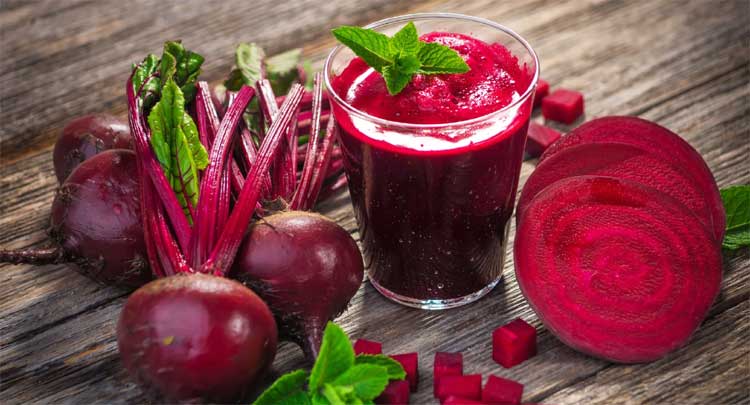
One increasingly discussed dietary addition is beetroot juice. Known for its rich nutrient profile, beetroot juice has gained attention as a natural way to support blood pressure control. When consumed regularly and in moderation, it may help relax blood vessels and improve overall circulation.
Why beetroot juice may help regulate blood pressure
Beetroot is packed with electrolytes, antioxidants and plant compounds that promote cardiovascular health. Its most significant component is dietary nitrate. “Beetroot juice can modestly lower blood pressure due to its high nitrate content, which converts into nitric oxide and helps relax blood vessels,” says Neha Shirke, Senior Dietician at Dr D.Y. Patil Hospital.
Nitric oxide plays a key role in widening blood vessels, improving blood flow and easing pressure on arterial walls. Supporting this, a study published in Frontiers in Nutrition found that increased nitrate levels from beetroot juice enhance nitric oxide production, improving vessel flexibility and lowering blood pressure.
What research says
Scientific studies back beetroot juice as a beneficial dietary addition for people with hypertension. A 2017 meta-analysis published in Advances in Nutrition found that regular beetroot juice consumption led to reductions in both systolic and diastolic blood pressure.
On average, systolic blood pressure dropped by 3.55 mm Hg, while diastolic pressure fell by 1.32 mm Hg. Though modest, such reductions are clinically meaningful, as even small decreases in blood pressure can significantly lower the risk of stroke, heart disease and other cardiovascular complications.
How much beetroot juice is ideal?
There is no universal dosage, but research offers useful guidance. A 2022 meta-analysis in Frontiers in Nutrition reviewed studies in which participants consumed between 70 ml and 250 ml of beetroot juice daily for periods ranging from three to 60 days. Blood pressure improvements were observed across all doses.
However, the most consistent benefits were seen with higher intakes. “For most people with hypertension, about 200 ml of beetroot juice daily is sufficient and can help bring blood pressure closer to normal levels over time,” Shirke notes.
How quickly does it work?
One notable benefit of beetroot juice is how quickly it can act. “Blood pressure can begin to drop within three to four hours after consumption due to nitrate conversion into nitric oxide,” explains Shirke.
A study published in the journal Hypertension also observed reductions in blood pressure roughly three hours after intake. While the effects can be felt relatively quickly, experts stress that consistent consumption alongside a balanced diet is essential for long-term results.
Possible side effects
Although generally safe, beetroot juice may not suit everyone in large quantities. Some people experience beeturia—a harmless condition that causes pink or red urine or stools—especially those with iron deficiency.
Drinking beetroot juice on an empty stomach can also lead to bloating, abdominal discomfort or diarrhoea due to its acidity and nitrate content. Additionally, beetroot is high in oxalates, which may increase the risk of kidney stones in susceptible individuals. Excessive intake may also put strain on the kidneys.
As with any dietary intervention, moderation and individual tolerance are key, and those with underlying health conditions should consult a healthcare professional before making it a regular habit.
Comments are closed.