
Botox vs fillers: Expert explains the key differences and how to achieve natural-looking results

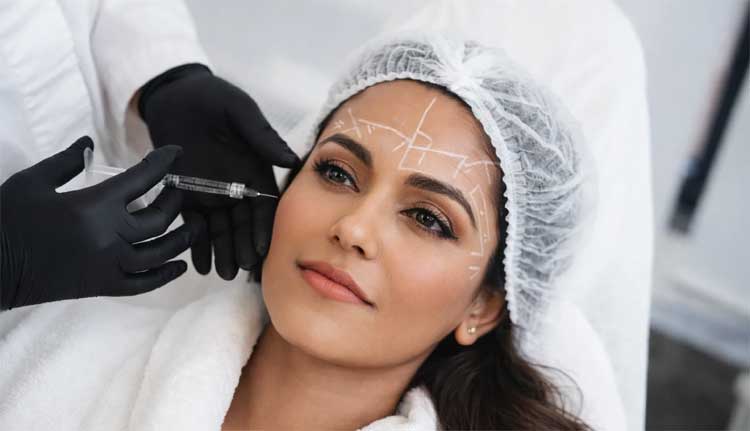
With cosmetic treatments becoming increasingly popular, Botox and dermal fillers are often mentioned together—but they serve very different purposes. According to facial aesthetics expert Dr Reema Arora, understanding this distinction is essential to achieving natural-looking results.
“The most unnatural-looking aesthetic results are not always caused by too much treatment. Often, they happen because the face was treated before it was properly understood,” she says.
Botox vs fillers: What’s the difference?
Dr Arora explains that Botox works by relaxing overactive facial muscles that cause expression lines, such as forehead wrinkles, frown lines, crow’s feet and jaw tension. It helps soften these dynamic wrinkles without adding volume.
Dermal fillers, on the other hand, are not simply meant to “fill wrinkles.” Instead, they restore facial support and contour by replacing lost volume, improving facial balance, enhancing lips, defining the chin or jawline, and reducing age-related hollows and shadows.
Why one treatment doesn’t fit everyone
According to the expert, facial concerns often have different underlying causes. A forehead wrinkle may require Botox, while tired-looking under-eyes could result from volume loss, pigmentation, skin thinning or dehydration—each requiring a different approach.
She emphasises that treatment decisions should only be made after a detailed facial assessment that evaluates facial structure, expressions, skin quality, ageing patterns and overall balance. In some cases, the best recommendation may even be no injectable treatment at all.
How to avoid an overdone look
Dr Arora says unnatural results are usually caused by poor assessment rather than the products themselves.
- Botox, when overused or incorrectly injected, can make facial expressions appear stiff.
- Fillers, if placed without a thorough understanding of facial anatomy, can create a heavy or puffy appearance.
The goal, she says, is for patients to look rested, balanced and refreshed—without altering their natural identity.
With more than 20 years of experience in non-surgical facial aesthetics, Dr Arora stresses that successful outcomes depend on careful planning, medical expertise and personalised treatment rather than simply choosing between Botox and fillers.
Comments are closed.