
Antarctica winter heatwave: How temperatures rose by 28°C and what it means for climate change

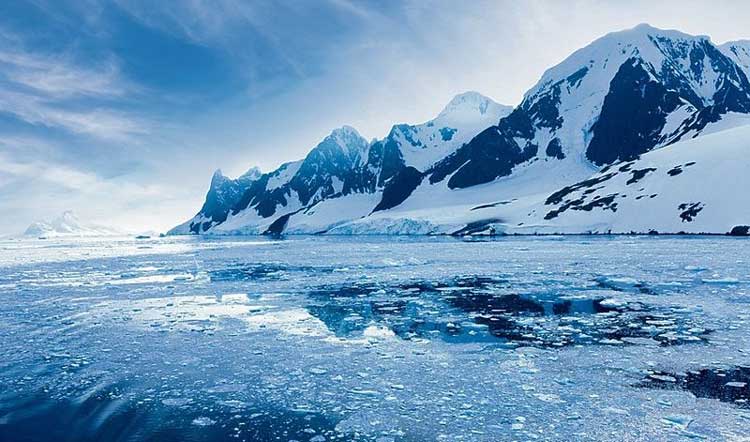
In a development that has alarmed scientists worldwide, parts of Antarctica recorded temperatures up to 28°C above normal during the winter season—an anomaly in one of the coldest regions on the planet.
The spike, observed across sections of East Antarctica, did not mean temperatures turned warm by everyday standards. Instead, readings that typically plunge below -50°C rose to levels closer to -20°C. Even so, the scale of the jump has been described by experts as “extraordinary” and “deeply concerning.”
What caused the sudden warming?
Scientists attribute the event to a combination of atmospheric and oceanic factors rather than a single trigger.
At the core was an intense atmospheric river—a narrow band of moisture-laden air that transported warm, humid air from lower latitudes deep into the Antarctic interior. These systems are more commonly associated with heavy rainfall events in regions like North America but are increasingly being observed near polar regions.
This influx of warm air was reinforced by unusual pressure patterns that trapped heat over the continent. At the same time, reduced sea ice in surrounding areas allowed more heat exchange between the ocean and atmosphere, amplifying the warming effect.
Researchers studying climate change note that such compounding factors are becoming more frequent in a warming world.
Why a winter heatwave matters
Heatwaves in Antarctica during summer have been documented before, but a winter event is particularly significant.
Winter is when the continent typically rebuilds its sea ice and stabilises its ice sheets. A disruption during this period can weaken that natural cycle, potentially affecting ice formation for the rest of the year.
Even short-lived warming events can:
- Increase surface melting in vulnerable regions
- Destabilise ice shelves that act as barriers to glaciers
- Alter snowfall and accumulation patterns
These changes may not cause immediate, visible collapse, but they can accelerate long-term ice loss.
A warning sign for global climate trends
Scientists caution that while a single event cannot be directly attributed to global warming, the intensity and frequency of such anomalies are consistent with broader climate trends.
Antarctica has long been considered relatively stable compared to the rapidly warming Arctic. However, recent years have shown that even this vast, isolated continent is not immune.
The concern is not just about Antarctica itself. What happens there has global consequences.
Melting ice sheets contribute to rising sea levels, which threaten coastal cities worldwide. Changes in Antarctic ice also influence ocean circulation patterns, which play a key role in regulating Earth’s climate.
What comes next?
Researchers are now analysing satellite data and ground observations to understand the full impact of the event. Key questions include whether such heatwaves will become more frequent and how they interact with long-term ice stability.
For now, the Antarctica winter heatwave stands as a stark reminder: even the most extreme environments on Earth are being reshaped.
And when the coldest place on the planet warms this dramatically—even briefly—it signals that the global climate system is under increasing strain.
Comments are closed.