
Air pollution may accelerate bone marrow ageing in people with diabetes, study warns

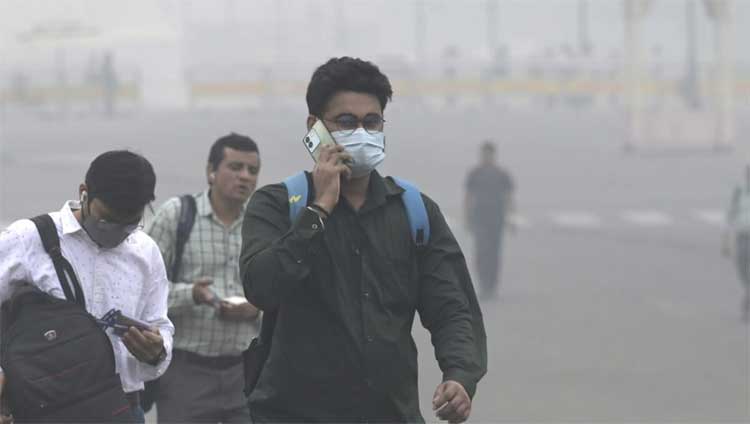
Air pollution may pose a greater health risk to people living with diabetes, with a new study suggesting that exposure to fine particulate matter (PM2.5) could accelerate the ageing of bone marrow stem cells and weaken their ability to regenerate.
The research, conducted by scientists at South Korea’s Jeonbuk National University, found that the harmful effects of air pollution were more pronounced in mice with Type 2 diabetes than in those without the condition. The findings suggest that pollution-related damage may extend beyond the lungs and heart to affect bone health and the body’s blood-forming system.
Published in the Journal of Hazardous Materials, the study highlights how diabetes and environmental pollution may combine to worsen cellular damage. However, researchers caution that the findings are based on animal experiments and have not yet been established in humans.
What did the researchers find?
The researchers found that PM2.5 exposure increased oxidative stress, DNA damage and cellular ageing in two types of bone marrow stem cells. These effects were observed in both diabetic and non-diabetic mice but were significantly more pronounced in animals with Type 2 diabetes.
Oxidative stress occurs when harmful molecules overwhelm the body’s ability to neutralise them, potentially damaging cells and tissues. Cellular senescence, meanwhile, refers to a state in which cells stop dividing normally and lose some of their ability to function.
The study identified two important types of stem cells affected by pollution:
- Mesenchymal stem cells (MSCs): These cells can develop into bone-forming cells or fat cells and play an important role in maintaining bone health.
- Haematopoietic stem cells (HSCs): These cells produce different types of blood cells, including red blood cells, white blood cells and platelets.
The researchers found that exposure to PM2.5 reduced the ability of these cells to multiply and regenerate. Transplantation experiments also showed that exposed bone marrow cells were less effective at replenishing blood-forming cells in recipient mice.
How does air pollution affect bone health?
One of the significant findings was that PM2.5 exposure altered the balance between bone formation and fat accumulation inside the bone marrow.
Mesenchymal stem cells can develop into either bone-forming cells or fat cells. However, in mice exposed to air pollution, this balance shifted towards fat formation and away from bone formation.
The changes were particularly pronounced in diabetic mice, which showed increased fat accumulation in their bone marrow and reduced bone mineral density in their thigh bones.
Lower bone mineral density can make bones weaker and potentially more vulnerable to fractures.
The researchers also observed inflammatory changes in the bone marrow, suggesting that air pollution may affect the environment in which stem cells function and regenerate.
How was the study conducted?
For the experiment, researchers exposed male mice with and without Type 2 diabetes to artificially generated PM2.5 inside an atmospheric simulation chamber.
The average particulate matter concentration was approximately 50.6 micrograms per cubic metre. The animals were exposed for two hours daily over five days and subsequently assessed after four weeks.
The researchers examined changes in bone marrow stem cells, lung inflammation, liver health and pancreatic function.
Apart from bone marrow damage, PM2.5 exposure was associated with increased lung inflammation, liver injury and fat accumulation. Changes were also observed in pancreatic islets, including reduced insulin expression and increased glucagon expression.
Despite the reduced regenerative capacity of blood-forming stem cells, the researchers did not find significant changes in blood counts or haemoglobin levels.
Researchers identify a possible mechanism behind the damage
The study also investigated the biological mechanism responsible for the increased cellular damage.
Researchers identified activation of the NLRP3 inflammasome, a group of proteins involved in triggering inflammatory responses, as a possible contributor to the harmful effects of PM2.5.
To investigate further, they used an experimental inhibitor called MCC950 to block NLRP3 activity in mice.
The treatment reduced several indicators of inflammation, oxidative stress, DNA damage and cellular ageing in the bone marrow stem cells.
However, the findings do not establish MCC950 as a treatment for air pollution-related damage in humans. Further research will be needed to determine whether targeting this inflammatory pathway could have clinical applications.
Why are people with diabetes particularly vulnerable?
People with Type 2 diabetes already experience metabolic and inflammatory changes that can affect different organs and tissues.
The researchers suggest that these underlying changes may make the body more susceptible to environmental stressors such as PM2.5.
Professor Sung-Ho Kook of Jeonbuk National University, who led the research team, said the harmful effects of air pollution could extend beyond the respiratory system to affect bone marrow stem cell function.
He noted that people with pre-existing metabolic conditions may be particularly vulnerable to these effects.
The findings highlight the importance of considering environmental exposure alongside existing health conditions when studying chronic diseases.
What does the study mean for India?
The findings are particularly relevant for India, where millions of people live with diabetes and several cities regularly experience high levels of air pollution.
According to the International Diabetes Federation, India has an estimated 89.8 million adults living with diabetes.
Fine particulate matter is generated by several sources, including vehicle emissions, industrial activity, construction dust and the burning of fuels. Weather conditions can further contribute to pollution accumulation, particularly during periods of low wind speed.
Dr Shashank R Joshi, an endocrinologist, diabetologist and medical researcher at Mumbai’s Lilavati Hospital, said pollution-related oxidative stress could add to the complications experienced by people with diabetes.
He emphasised that animal studies have demonstrated the effects of air pollution on bones and bone marrow, but evidence from human clinical studies remains limited.
Dr Joshi also cautioned that Indian research linking long-term pollution exposure to these specific bone and bone marrow outcomes is still insufficient.
He called for stronger measures to control vehicular emissions and construction dust, along with better monitoring of particulate matter around construction sites.
What should people with diabetes take away from the findings?
The study adds to growing scientific evidence that air pollution may affect several organs beyond the respiratory system. It also raises questions about how environmental exposure could interact with existing metabolic conditions to accelerate cellular damage.
However, it is important to note that the research was conducted in mice. It does not establish that air pollution accelerates bone marrow ageing in people with diabetes, nor does it demonstrate that the same effects occur at the same level under everyday human exposure.
Further studies involving people will be necessary to understand the long-term consequences.
For now, the researchers’ findings reinforce the importance of reducing exposure to air pollution, improving air quality and considering environmental risks as part of broader public health strategies, particularly for people living with chronic conditions such as diabetes.
Comments are closed, but trackbacks and pingbacks are open.