
World Must Cut Emissions by 18% in Four Years ‘to Find Our Way Back’, UN Says

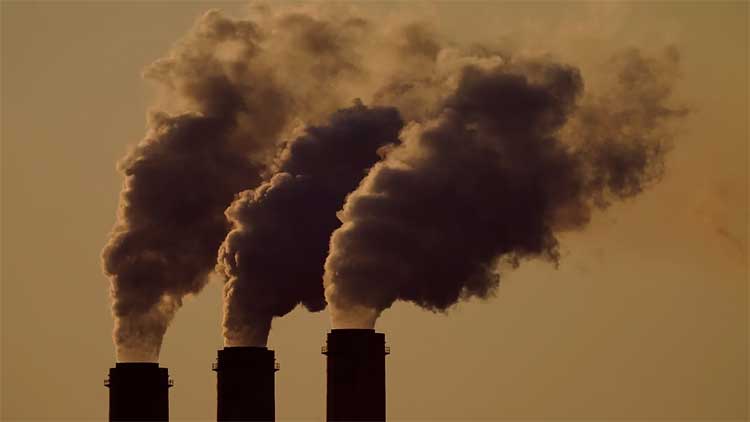
The world must reduce greenhouse gas emissions by 18% by 2030 to limit the severity of global warming and create a pathway back towards the 1.5°C climate target, according to a new United Nations report. The warning comes as governments continue to fall short of the emissions reductions required to tackle the climate crisis.
The United Nations Environment Programme (UNEP), in its Emissions Gap Report 2026: The Point of Return, says the world can still limit the long-term damage caused by rising temperatures, but immediate and substantial action is essential. The report calls for deeper emissions cuts over the next decade and warns that current national climate commitments remain insufficient.
The report comes ahead of the COP31 climate summit, adding pressure on governments to turn their climate promises into concrete policies. Although renewable energy is expanding rapidly in many parts of the world, continued dependence on fossil fuels and the slow implementation of climate commitments remain major obstacles.
UN Sets Out Urgent Emissions Reduction Targets
According to UNEP, global greenhouse gas emissions must fall by 18% by 2030, 45% by 2035 and 69% by 2040, compared with 2025 levels. These reductions would support a pathway in which global temperatures rise above 1.5°C temporarily before potentially returning to that level by the end of the century.
Under this scenario, peak warming would be limited to approximately 1.7°C to 1.8°C around mid-century. Returning to or below 1.5°C by 2100 would still require substantial carbon dioxide removal from the atmosphere, and the report estimates the scenario has roughly a 50% chance of success. <Cite refs=
The findings underline the growing urgency of climate action. While the original goal of avoiding any overshoot of the 1.5°C threshold is now considered out of reach, the UN says efforts to minimise the overshoot remain critical to reducing future climate risks.
Why the 1.5°C Climate Target Matters
The 1.5°C target was established under the 2015 Paris Agreement, which aims to limit global warming and reduce the risks associated with climate change. Scientists have repeatedly warned that every additional fraction of a degree increases the likelihood and severity of extreme weather events.
Rising global temperatures can intensify heatwaves, floods, droughts and wildfires, while threatening food production, water supplies, biodiversity and public health. Vulnerable communities, particularly in developing countries, are often disproportionately affected despite contributing less to historical emissions.
UNEP’s latest assessment warns that crossing the 1.5°C threshold is now expected. The priority, therefore, is to keep the overshoot as small and brief as possible and work towards bringing temperatures back down by the end of the century.
Current Climate Pledges Fall Short of What Is Needed
The report highlights a significant gap between the emissions reductions required by science and the actions promised by governments.
Even if countries fully implement their latest national climate commitments, global greenhouse gas emissions would decline by only 5% to 8% by 2030 and 11% to 15% by 2035, compared with 2025 levels.
Under this scenario, global temperatures could rise by approximately 2.6°C above pre-industrial levels by 2100. If existing policies continue without stronger action, warming could reach around 2.8°C, according to UNEP’s projections.
The report therefore calls on governments to strengthen their climate plans, accelerate the transition to cleaner energy and implement policies that deliver measurable emissions reductions.
Renewable Energy and Methane Cuts Could Make a Difference
Despite the warning, UNEP points to opportunities for faster progress. The expansion of renewable energy, improvements in energy efficiency and the adoption of effective climate policies have demonstrated that emissions can be reduced across multiple sectors.
The report identifies several priority areas for action:
-
Expanding renewable energy: Scaling up solar and wind power while improving electricity grids and energy storage.
-
Reducing fossil fuel dependence: Accelerating the transition away from coal, oil and gas through credible policies and clear timelines.
-
Cutting methane emissions: Reducing methane releases from energy production, agriculture and waste management, given the gas’s strong warming effect.
-
Protecting forests: Halting deforestation and restoring ecosystems that absorb carbon dioxide.
-
Improving energy efficiency: Reducing energy consumption across buildings, transport, industry and electricity systems.
According to UNEP, expanding successful climate policies and implementing them at a much larger scale could help narrow the gap between current commitments and the emissions reductions required.
UN Calls for Stronger Political Leadership
The report emphasises that the challenge is no longer simply identifying solutions but ensuring governments implement them quickly enough.
Countries must move beyond long-term net-zero announcements and introduce near-term measures that reduce emissions throughout their economies. Major emitting nations have a particularly important role to play because their decisions can significantly influence global emissions trends.
At the same time, developing countries will need access to finance, technology and international cooperation to support their transitions towards cleaner energy systems without undermining development priorities.
The UN’s message is that every year of delayed action makes the challenge more difficult. Delays in reducing emissions increase the amount of warming the world must subsequently address and could require more extensive carbon removal in the future.
Conclusion
The UN’s latest emissions assessment delivers a clear warning: the world must act much faster to limit the long-term consequences of climate change. Cutting greenhouse gas emissions by 18% by 2030 is an essential step towards limiting the overshoot of the 1.5°C target and potentially returning to that level by the end of the century.
Although the original goal of avoiding a temperature overshoot is no longer considered achievable, the report stresses that further action still matters. Stronger climate policies, rapid renewable energy expansion, reduced fossil fuel consumption and substantial methane cuts could help limit future warming.
The challenge now is to turn international commitments into immediate results. Whether the world can find its way back towards the 1.5°C goal will depend on how quickly governments, industries and societies respond to the warning.
Comments are closed, but trackbacks and pingbacks are open.